THE FIELD NOTES · INSIGHTS

Insights & ideas

Stories, guides and hard-won lessons from the road, on chasing light, dodging crowds and getting the shot. The stuff I wish I’d known before I went.

FRESH DISPATCHES
UPDATED FOR 2026
THE VIBE {{ spectrumLabel }}
LAID-BACK ESCAPESEXTREME ADVENTURE
SORT
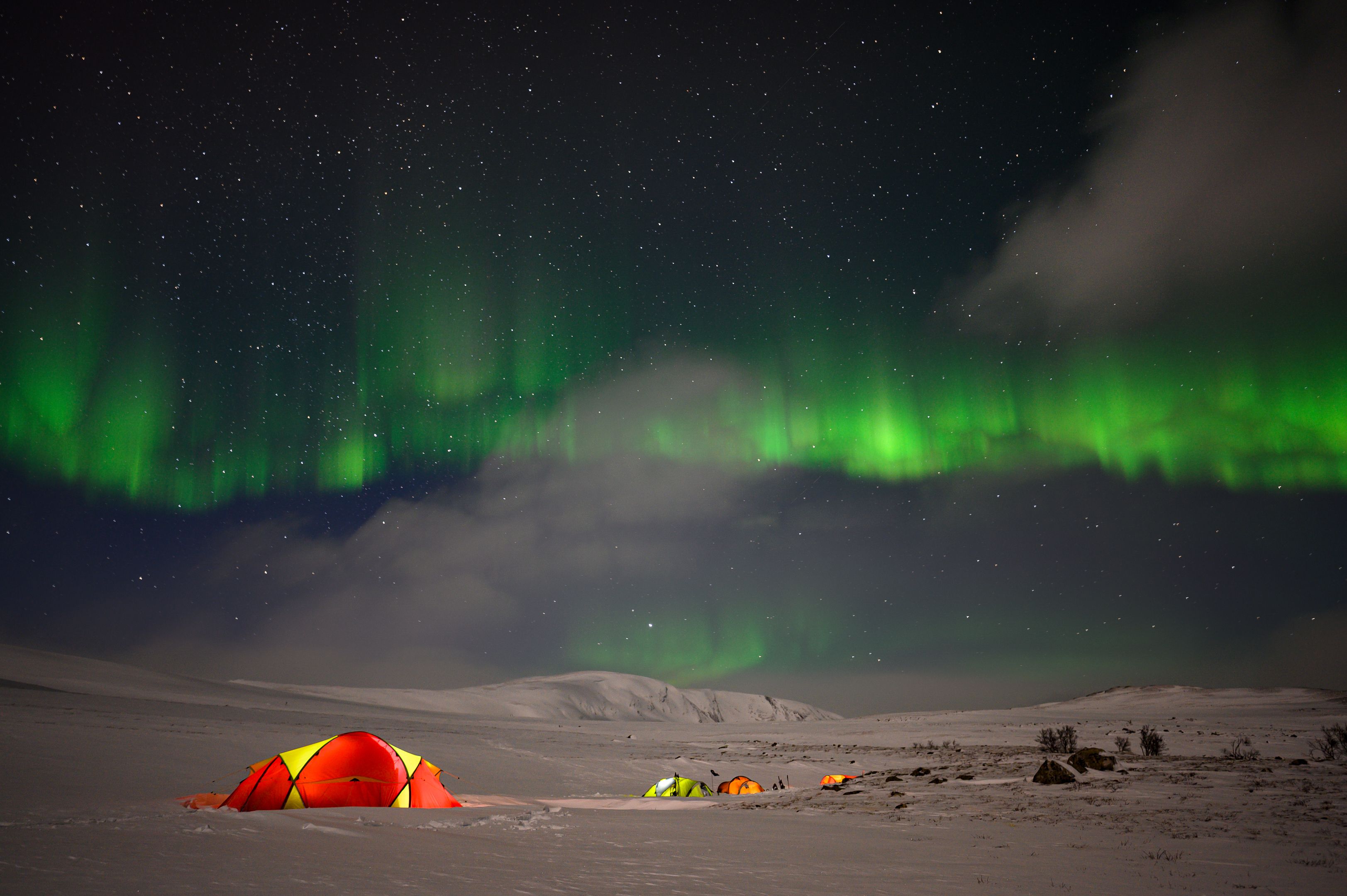
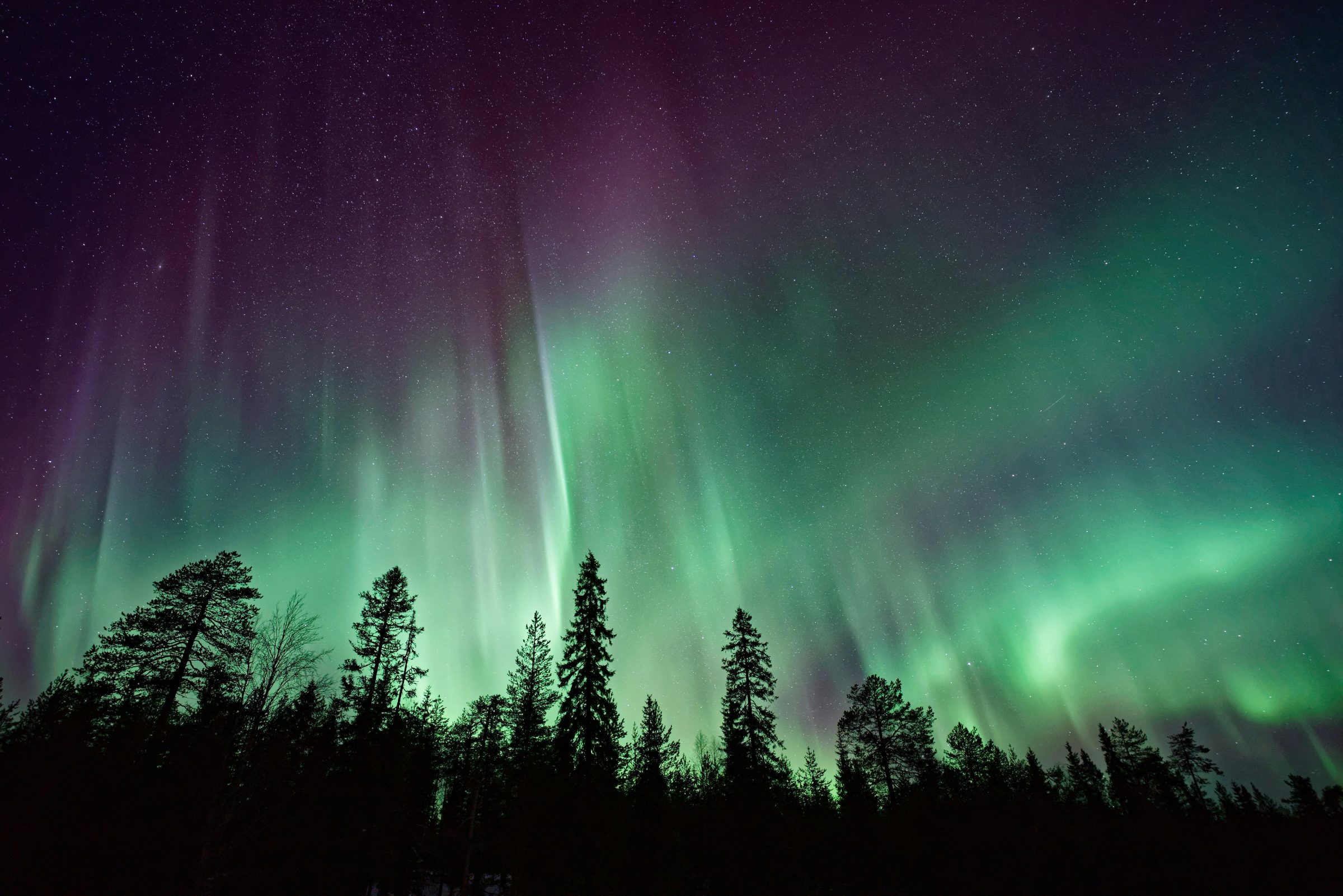
Aurora over a dark landscape MOMENTS
How to See the Northern Lights: A Chaser’s Guide

Where to go, when to travel and how to read the forecast so you actually catch the aurora, not just the cloud.

JAN 2026 · 8 MIN READREAD
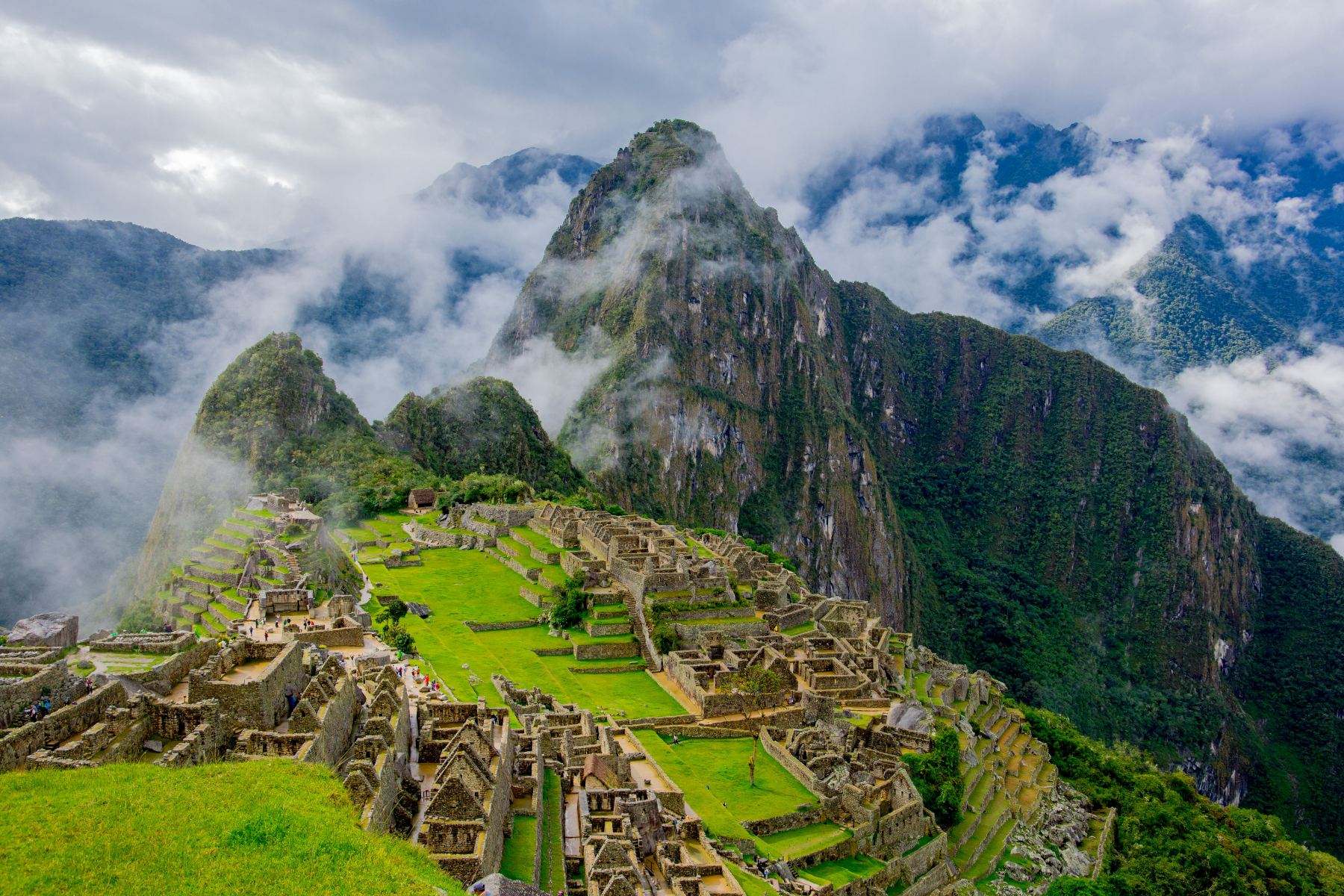
Machu Picchu, a wonder of the world BUCKET LIST
The New Seven Wonders of the World, and How to Route Them

A real-world itinerary logic for ticking off all seven, plus the “eighth” most people miss.

NOV 2025 · 10 MIN READREAD
A wild, empty landscape OFF THE MAP
Beat the Crowds: 7 Underrated Places to See Before They Blow Up

The destinations delivering wonder without the queues, and the window to visit before everyone else does.

FEB 2026 · 7 MIN READREAD
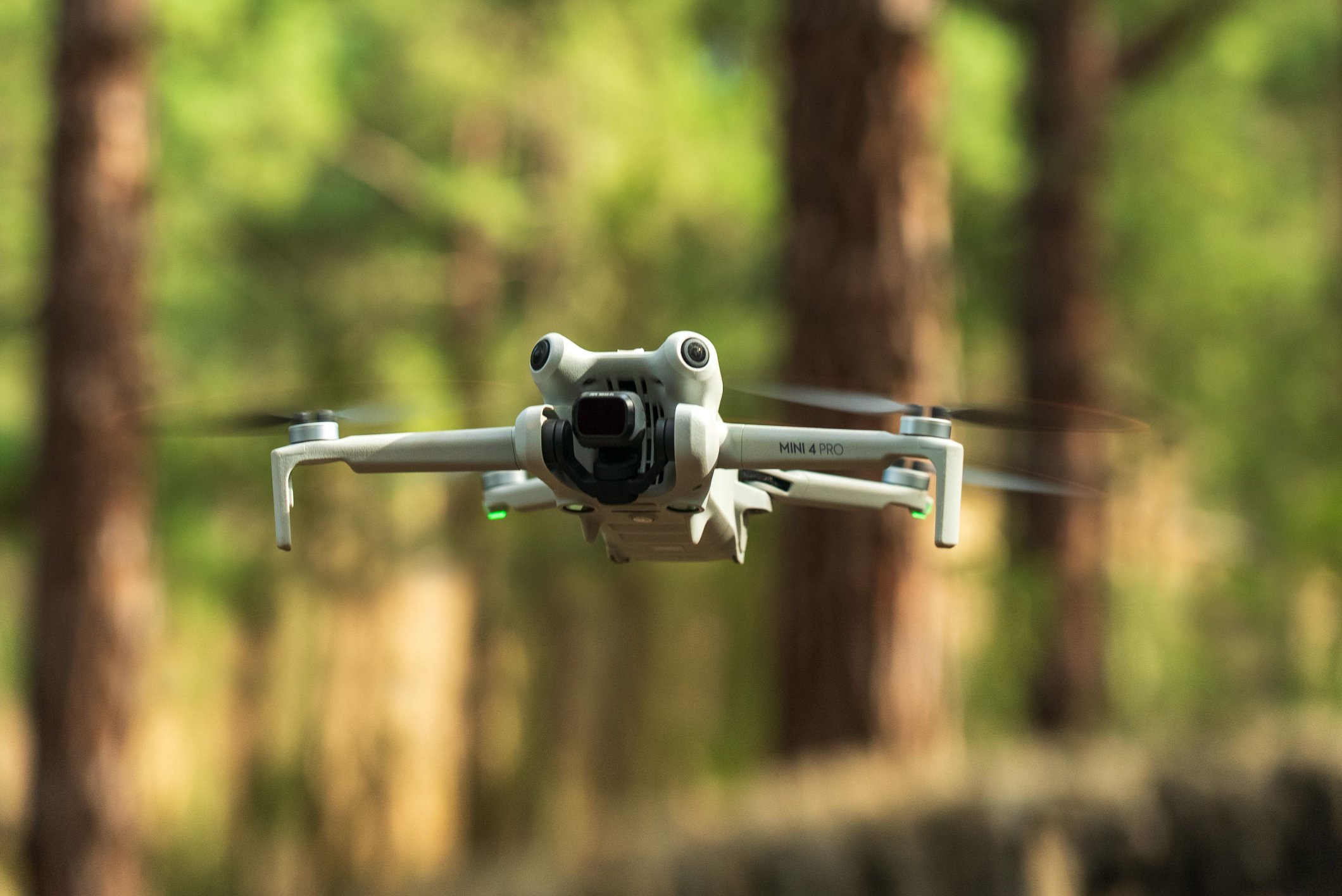
A drone in flight over forest THE CRAFT
Drone Travel Photography: How to Get the Shot Anywhere

The settings, the rules and the composition tricks behind those top-down travel shots, from someone flying one every trip.

SEP 2025 · 9 MIN READREAD
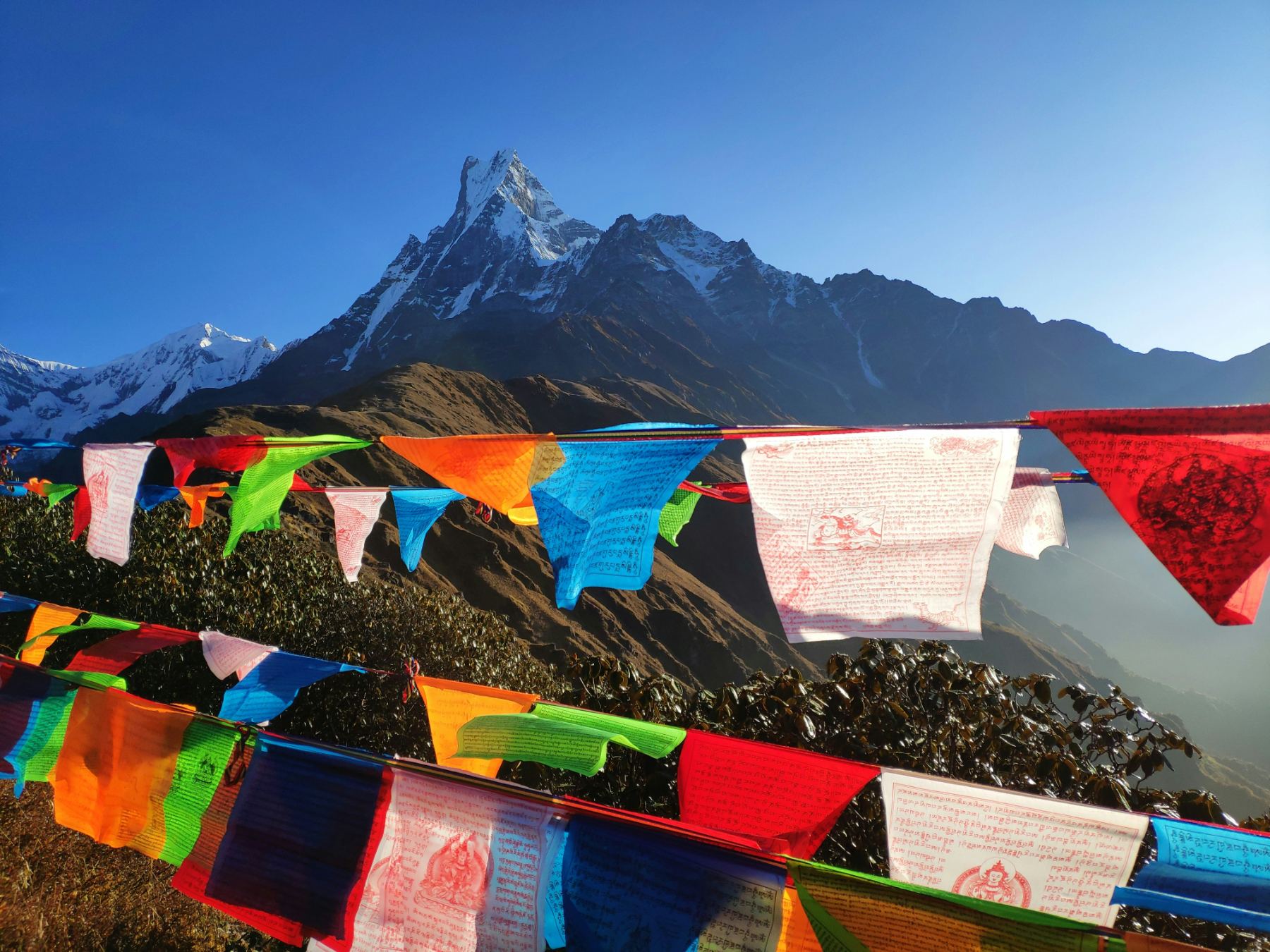
A dramatic mountain trail ADVENTURE
The World’s Greatest Multi-Day Treks (and How to Prepare)

Six legendary long-distance hikes, what makes each unforgettable, and how to train, pack and pace yourself for the trail.

MAR 2026 · 9 MIN READREAD
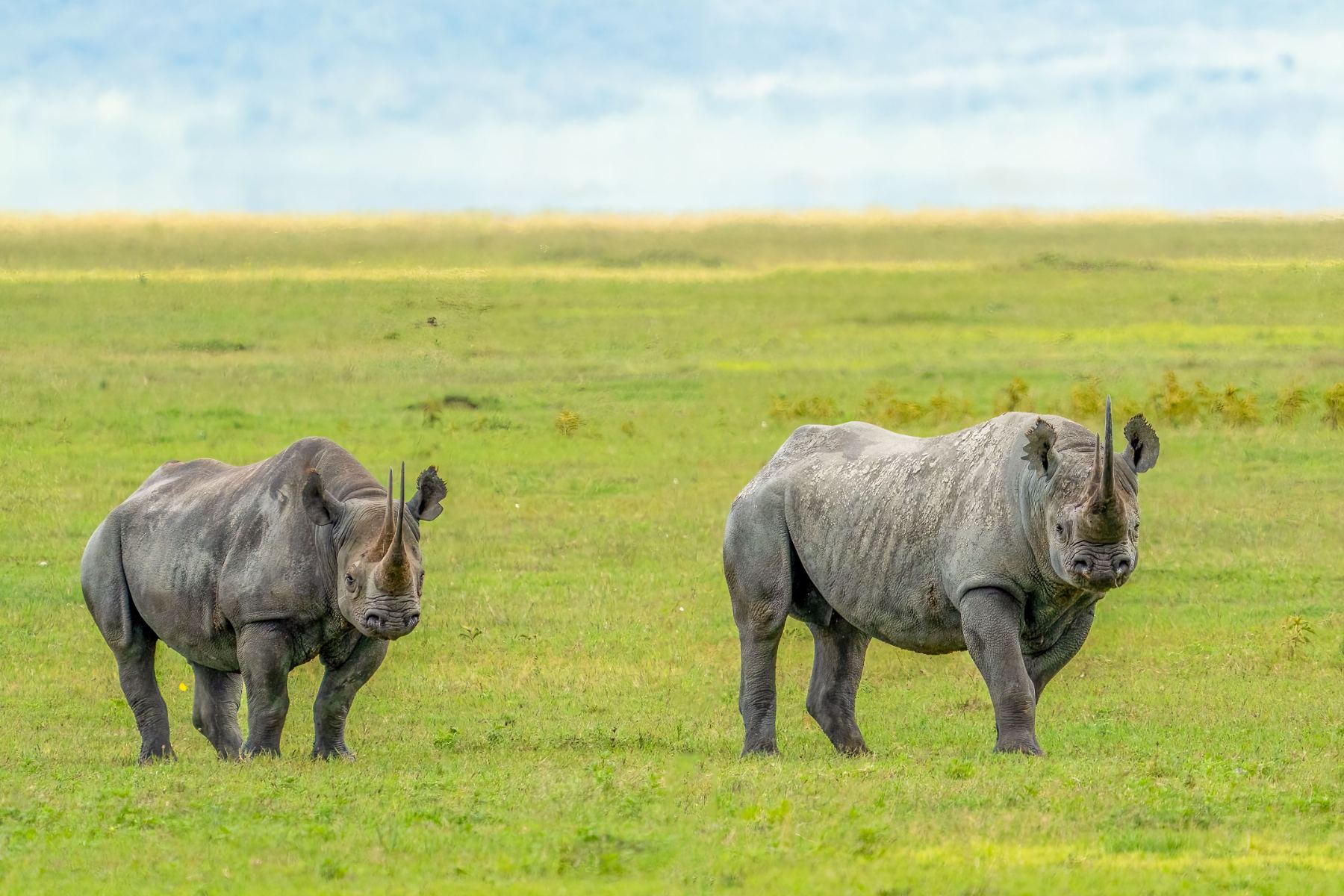
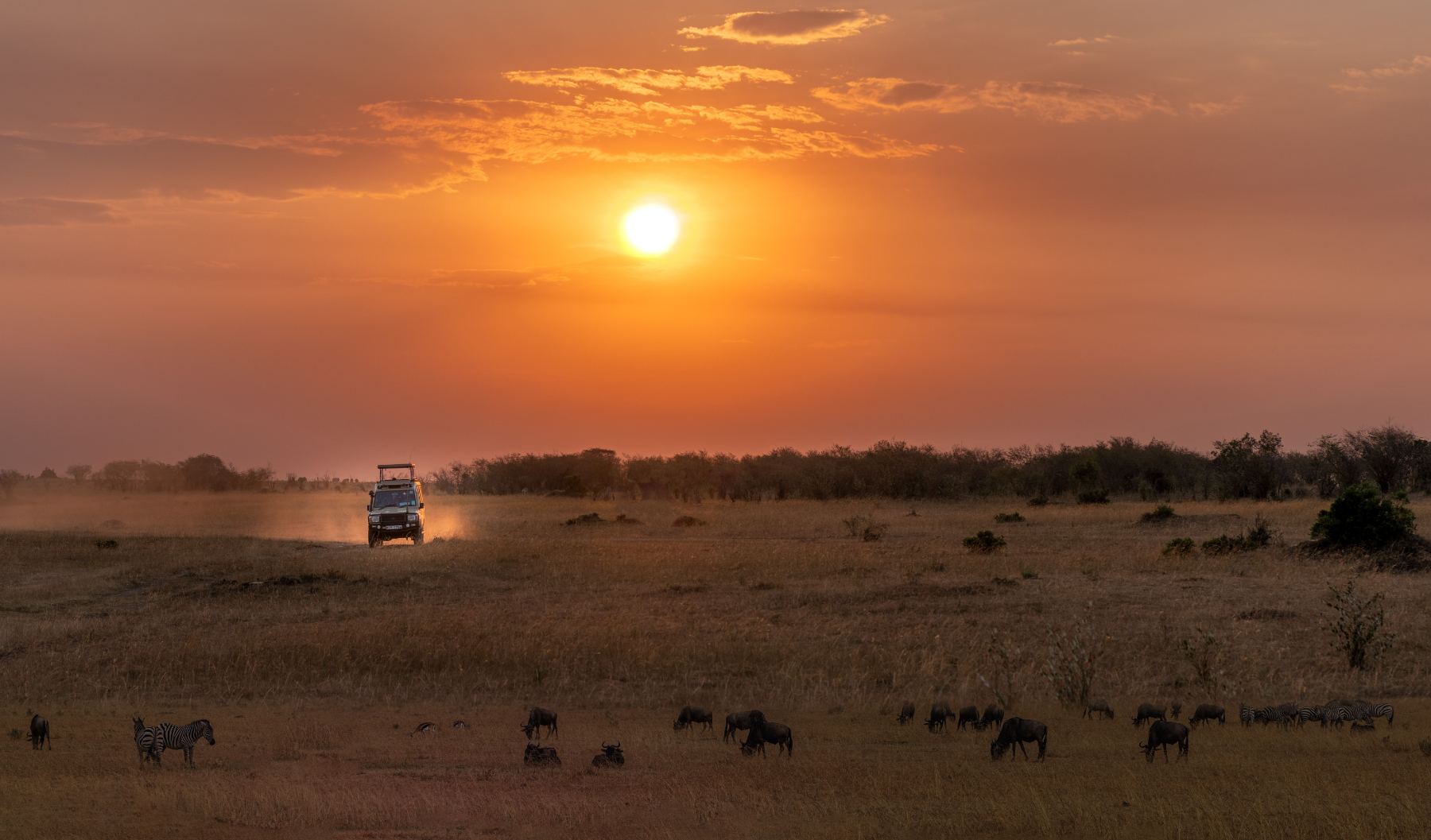
Wildlife close-up WILDLIFE
On Safari: How to Photograph Wildlife Ethically

The gear, the fieldcraft and the code of conduct behind wildlife shots that respect the animals and still stop the scroll.

DEC 2025 · 8 MIN READREAD

NO STORIES HERE YET — CHECK BACK SOON

MOMENTS · JAN 2026 · 8 MIN READ

How to See the Northern Lights: A Chaser’s Guide

The aurora rewards the patient and the prepared. Here is how to stack the odds in your favour.

Aurora over a dark landscape

Everyone wants the same photo: green light dancing over a still, dark landscape. What most people don’t realise is that seeing the northern lights is less about luck and more about being in the right latitude, in the right season, on a clear night, with a little patience. Get those four things lined up and your chances go from a gamble to a near-certainty.

Where to go

Aim for the “auroral oval”, the ring around the magnetic pole where activity is most frequent. In practice that means northern Norway (Tromsø and the Lofoten Islands), Icelandic wilderness away from Reykjavík’s glow, Finnish Lapland, northern Sweden, and the Yukon or Alaska. You don’t need a huge storm at these latitudes, even quiet nights often produce a show.

When to travel

You need darkness, so the season runs roughly late September to late March. The equinoxes in September and March are statistically the most active periods of the year. Plan at least three or four nights in one location; a single night is a coin toss, but across several nights a clear window almost always appears.

The aurora is there far more often than people think. What blocks it, nine times out of ten, is cloud, not a lack of activity.

Read the forecast like a local

Two numbers matter. The Kp index (0–9) estimates how far south activity will reach, Kp 3 is plenty when you’re already up north. Far more important is the cloud forecast. Learn to chase clear skies: if your base is socked in, be willing to drive an hour to a gap in the clouds. A car and a flexible plan beat any single “best” viewpoint.

How to shoot it

Use a tripod, a wide lens at its widest aperture (f/2.8 or faster), ISO 1600–3200, and a shutter of 5–15 seconds, shorter when the lights are moving fast so the curtains stay crisp. Focus manually on a distant light or a bright star. Put something in the foreground, a cabin, a mountain, a person, so the scale reads.

Manage your expectations, then beat them

To the naked eye a faint aurora can look like grey haze; the camera reveals the colour. But on a strong night it fills the whole sky and moves faster than you can point. Dress for standing still in deep cold, bring spare batteries (they drain fast), and don’t spend the whole show behind the viewfinder.
WORDS & PICTURES · SNAPPYTAPPY
BUCKET LIST · NOV 2025 · 10 MIN READ

The New Seven Wonders of the World, and How to Route Them

Seven modern wonders, scattered across the globe. Here’s how to actually string them together.

A wonder of the world

The New Seven Wonders of the World were chosen by public vote in 2007: the Great Wall of China, Petra in Jordan, the Colosseum in Rome, Chichén Itzá in Mexico, Machu Picchu in Peru, Christ the Redeemer in Brazil, and the Taj Mahal in India. Visiting all seven is one of travel’s great long games. The trick is to stop treating them as one trip and start clustering them by region.

Cluster them, don’t chase them

Two of the seven, the Colosseum and Petra, sit within easy reach of each other on a Europe-and-Middle-East loop. Machu Picchu and Christ the Redeemer pair naturally on a South America trip. The Great Wall and the Taj Mahal are each worth a dedicated Asia journey. Chichén Itzá slots into any Mexico or wider Central America route. Think in four trips, not seven.

The one most people add

Angkor Wat in Cambodia is often called the “eighth wonder”, and once you’ve stood in front of it at sunrise you’ll understand why. If you’re routing through Southeast Asia, build it in. It rivals anything on the official list.

Petra at first light, before the tour buses, is the closest thing to time travel I’ve found.

Time it right

Each wonder has a season. Petra and the Colosseum are best in spring or autumn, when the heat and crowds ease. Machu Picchu shines in the dry season from May to September. The Taj Mahal is most comfortable November to February. Get the timing wrong and you’ll remember the queue more than the wonder.

Don’t forget the original

Of the seven wonders of the ancient world, only one still stands: the Great Pyramid of Giza. It’s not on the modern list, but no bucket-list route is complete without it, and it’s the oldest thing you will ever stand next to.

WORDS & PICTURES · SNAPPYTAPPY
OFF THE MAP · FEB 2026 · 7 MIN READ

Beat the Crowds: 7 Underrated Places to See Before They Blow Up

The world’s wonders don’t have to come with a two-hour queue. Here’s where to look instead.

A wild, empty landscape

Over-tourism has a way of hollowing out the very places people travel to see. The good news: for every honeypot there’s a quieter alternative that delivers the same awe, often more of it, because you’re sharing it with almost no one. Here are seven that are still, for now, under the radar.

1. The Faroe Islands, instead of Iceland

Iceland’s wilder, greener cousin: sea cliffs, turf-roofed churches and waterfalls that pour straight into the Atlantic, with a fraction of the visitors.

2. Albania’s Riviera, instead of Croatia

The same turquoise Adriatic and stone villages, minus the cruise-ship crowds and at half the price.

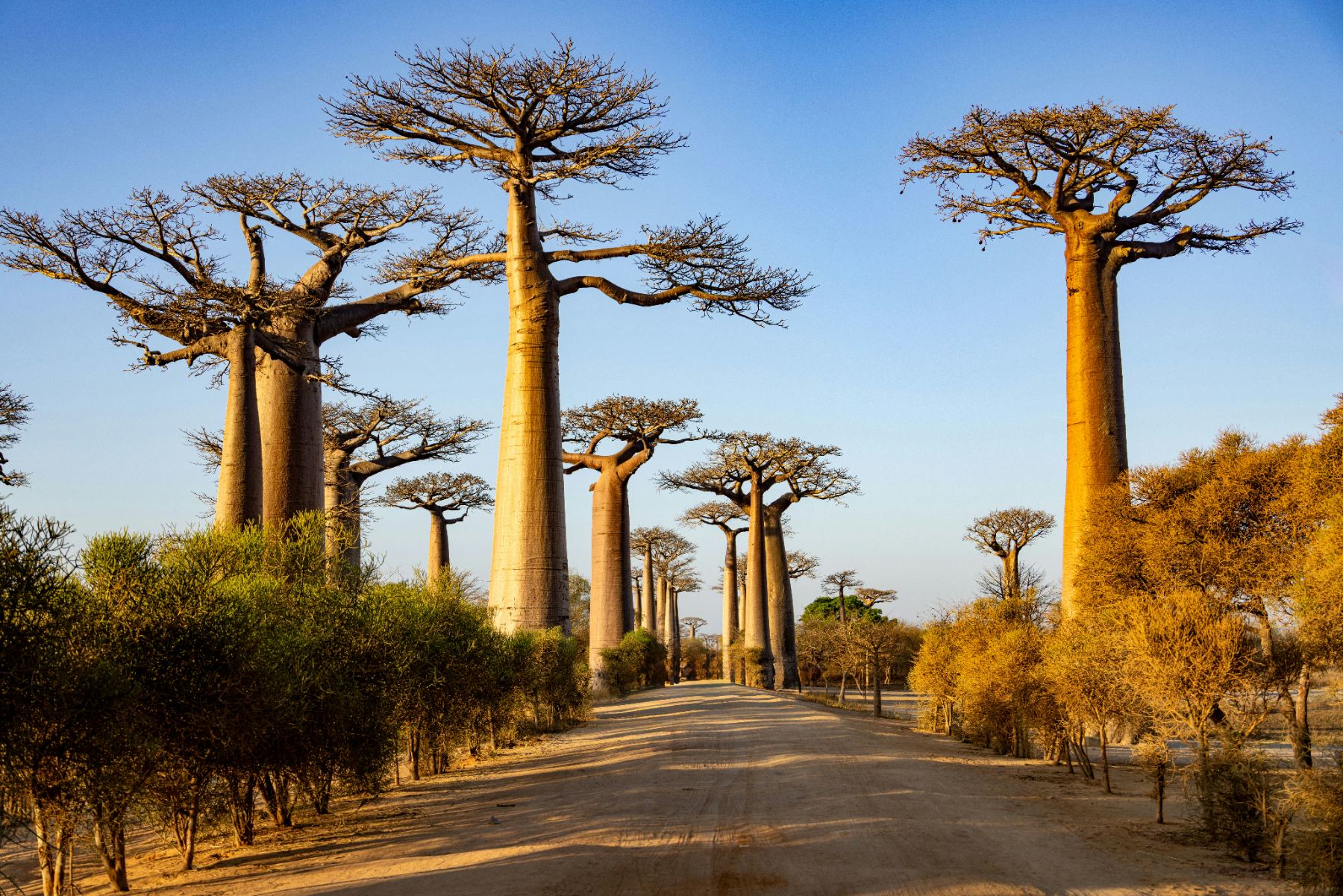
3. Madagascar, instead of the classic safari

The “eighth continent”: baobab avenues, lemurs and landscapes that exist nowhere else on Earth.

4. Georgia, instead of the Alps

The Caucasus mountains rival any alpine range, wrapped in ancient hilltop churches and one of the world’s great food cultures.

“Underrated” is usually just “undervisited for now.” The window doesn’t stay open forever.

5. Ra’iatea, instead of Bora Bora

French Polynesia’s sacred island: the same impossible lagoon blues, without the honeymoon price tag.

6. Kyrgyzstan, instead of Nepal

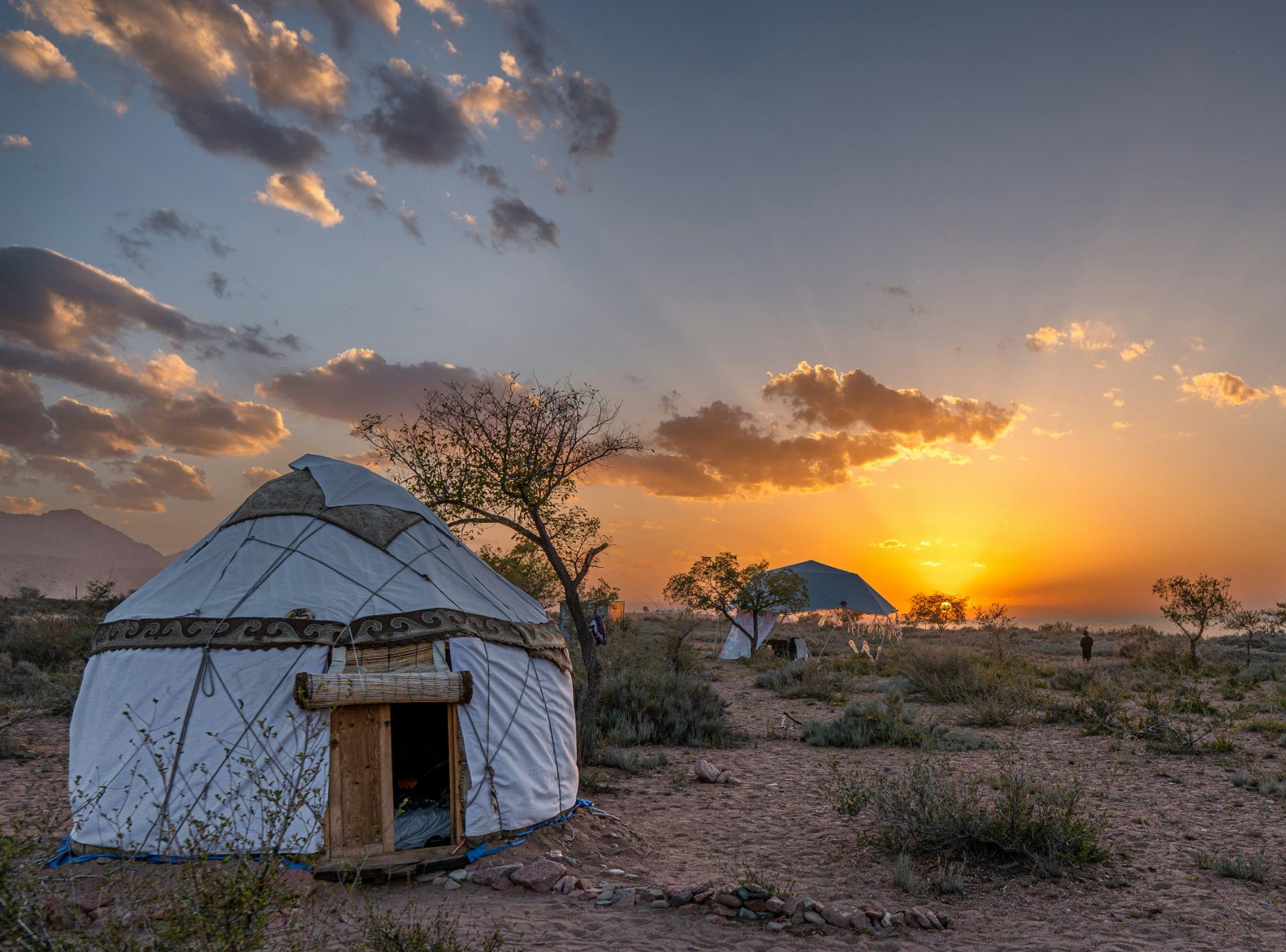
High-altitude lakes, yurt stays and horseback trekking through the Tian Shan, genuine wilderness with barely a trekker in sight.

7. Colombia’s Coffee Region, instead of the usual Andes

Wax palms, green valleys and warm towns, all the drama of the Andes with the friendliest welcome in South America.

Go now, go gently

The reason these places still feel wild is that few people visit. When you go, spend locally, tread lightly and resist the urge to geotag every last spot. The best way to protect an underrated place is to be a good guest.

WORDS & PICTURES · SNAPPYTAPPY
THE CRAFT · SEP 2025 · 9 MIN READ

Drone Travel Photography: How to Get the Shot Anywhere

A drone turns a good travel photo into an unforgettable one, if you know how to fly it.

A drone in flight over forest

The top-down beach shot, the tiny figure on an endless dune, the sweeping coastal reveal, these are the images that stop the scroll, and almost all of them are shot from the air. A drone is the single biggest upgrade you can make to a travel portfolio. Here’s how to get results that don’t look like everyone else’s.

Know the rules before you fly

Every country is different, and getting this wrong can cost you your drone or worse. Many places require registration, ban flights in national parks, or forbid flying near airports, crowds and heritage sites. Check the local rules before you travel, register where required, and always respect no-fly zones. A great shot is never worth breaking the law.

Shoot at the edges of the day

The light rules that apply on the ground apply doubly from above. The hour after sunrise and before sunset gives you long shadows, texture and warmth. Midday sun flattens everything, though it’s the exception for one thing: shooting straight down into clear water, where high sun punches through to the reef and sand.

The drone’s superpower isn’t height, it’s the top-down angle no other camera can give you.

Get the settings right

Shoot in RAW for editing latitude. Keep ISO as low as conditions allow to avoid noise, and watch your shutter speed, wind buffets the drone, so a faster shutter keeps things sharp. Bracket exposures on high-contrast scenes and blend them later. Turn on the gridlines and shoot a touch wider than you think; you can always crop.

Compose from above

Height flattens the world into shape, colour and pattern, so hunt for those. Look for lead-in lines (a road, a river, a wake), strong colour contrast (turquoise against sand), and a single small subject for scale, a boat, a car, a person. The best aerials are often the simplest.

Fly respectfully

Keep your distance from people and wildlife, don’t hover over strangers, and be mindful of noise in quiet places. The photographers who keep getting access are the ones who fly considerately.

WORDS & PICTURES · SNAPPYTAPPY
ADVENTURE · MAR 2026 · 9 MIN READ

The World’s Greatest Multi-Day Treks (and How to Prepare)

Six legendary long-distance hikes, and the honest guide to getting yourself trail-ready.

A dramatic mountain trail

A great multi-day trek is travel distilled to its purest form: no cars, no wifi, just you, a pack and a trail that unspools into wild country. These are the walks worth building a trip around, and the honest truth about getting yourself ready for them.

1. The Tour du Mont Blanc, Alps

The classic. Around 170km through France, Italy and Switzerland, circling the Mont Blanc massif with a comfortable hut or refuge each night. Achievable for any fit hiker, and endlessly beautiful.

2. The Torres del Paine “W”, Patagonia

Granite towers, hanging glaciers and turquoise lakes packed into four or five unforgettable days. The weather is famously wild, come prepared for four seasons in an afternoon.

3. The Everest Base Camp Trek, Nepal

Less a climb than a high-altitude pilgrimage through Sherpa country to the foot of the highest mountain on Earth. Acclimatisation, not fitness, is what makes or breaks it.

4. The Laugavegur Trail, Iceland

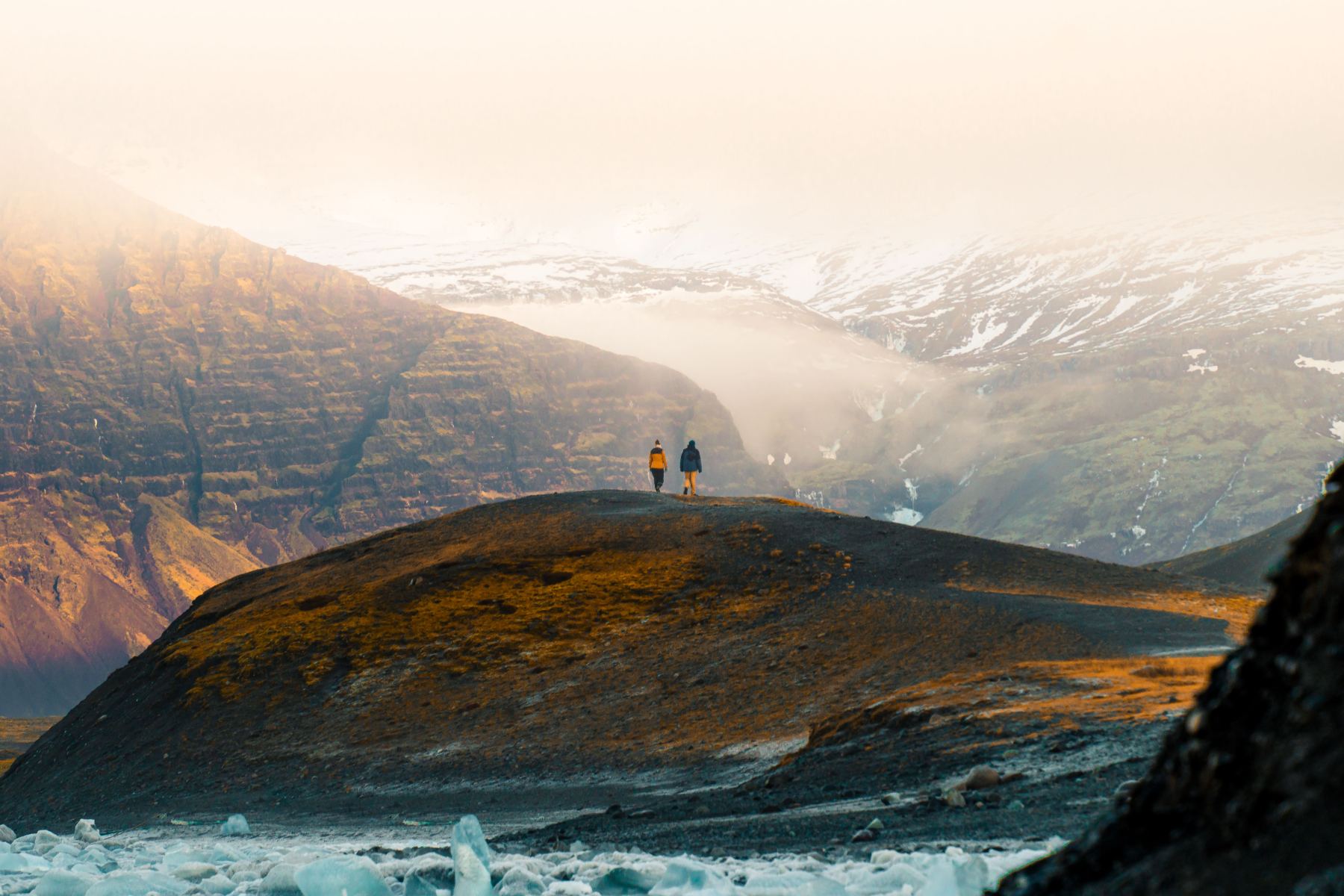
Rhyolite mountains, steaming vents and black-sand deserts across roughly 55km of otherworldly terrain. Short enough for a long weekend, strange enough to never forget.

The mountains reward the prepared and humble the cocky. Train for the descent, not just the climb, your knees will thank you.

5. The Kumano Kodo, Japan

An ancient pilgrimage route through forested mountains, linking shrines and hot-spring villages. Gentle, cultural and deeply restorative.

6. The Overland Track, Tasmania

65km through the heart of Australia’s alpine wilderness, all button grass, glacial lakes and wombats at dusk.

How to prepare

Train with a loaded pack on real hills, not just a treadmill, your body needs to learn the weight. Break your boots in over weeks, never days. Dial in your layering system so you can regulate temperature on the move, and practise with your exact gear before you fly. Above all, build in contingency days: weather, altitude and blisters all bend the plan, and the trekkers who finish are the ones who planned to be flexible.

WORDS & PICTURES · SNAPPYTAPPY
WILDLIFE · DEC 2025 · 8 MIN READ

On Safari: How to Photograph Wildlife Ethically

Come home with images you’re proud of, taken in a way the animals would never notice.

Wildlife in its habitat

A safari is one of the last places on Earth where you can watch the natural world play out entirely on its own terms. Photographing it well is a craft, and doing it ethically is a responsibility. Here is how to come home with images you’re proud of, taken in a way the animals would never notice.

The gear that actually matters

Reach beats everything: a long lens (400mm or more, or a superzoom bridge camera) lets you fill the frame from a respectful distance. Bring a beanbag for the vehicle door rather than a tripod, and pack twice the memory cards and batteries you think you’ll need, the best light comes at dawn and dusk when you can’t recharge.

Shoot at eye level, in the golden hours

The most powerful wildlife images are taken at the animal’s eye level, it pulls the viewer into their world. Work the first and last two hours of daylight when the light is warm and low and the animals are most active. Midday is for coffee and backing up your cards.

The best wildlife photograph is one the animal never knew was taken. If your presence changes its behaviour, you’re too close.

The ethical code

Never ask a guide to break park rules for a shot, no going off-road into fragile habitat, no crowding a kill, no getting between a mother and her young. Keep noise down, never bait or lure wildlife, and if an animal shows stress, back off. Good guides respect these limits, choose operators who do too.

Fieldcraft over luck

Learn a little animal behaviour and you’ll anticipate the moment instead of chasing it: a cheetah scanning from a termite mound, elephants heading to water at dusk, birds returning to a roost. Patience is the real telephoto lens, sit with a scene and let it come to you.

Tell the wider story

Portraits are only half of it. Shoot wide to place animals in their landscape, capture the dust, the herds, the vast emptiness. Those context shots are often the ones that stay with people long after the close-ups fade.

WORDS & PICTURES · SNAPPYTAPPY
GO DEEPER · BASE CAMP

Read the notes.
Then go deeper.

Full itineraries, exact routes, real costs and the best week of each month, the planning I'd only give a friend. Everything you need to turn a month on this page into your own trip.

£10/ month
OR£100/YEAR·CANCELANYTIME
Join Base Camp
£5£10/ month
OR£50£100/ YEAR · CANCEL ANYTIME
Discount  ·  £5 / month
★ FIRST 50 ONLY · HALF PRICE FOR LIFE
SNAPPYTAPPY
Copyright © 2013 - 2026 Snappytappy · All Rights Reserved · All images & content are the property of Snappytappy. Reproduction without the author’s express permission is strictly prohibited. hello@snappytappy.com