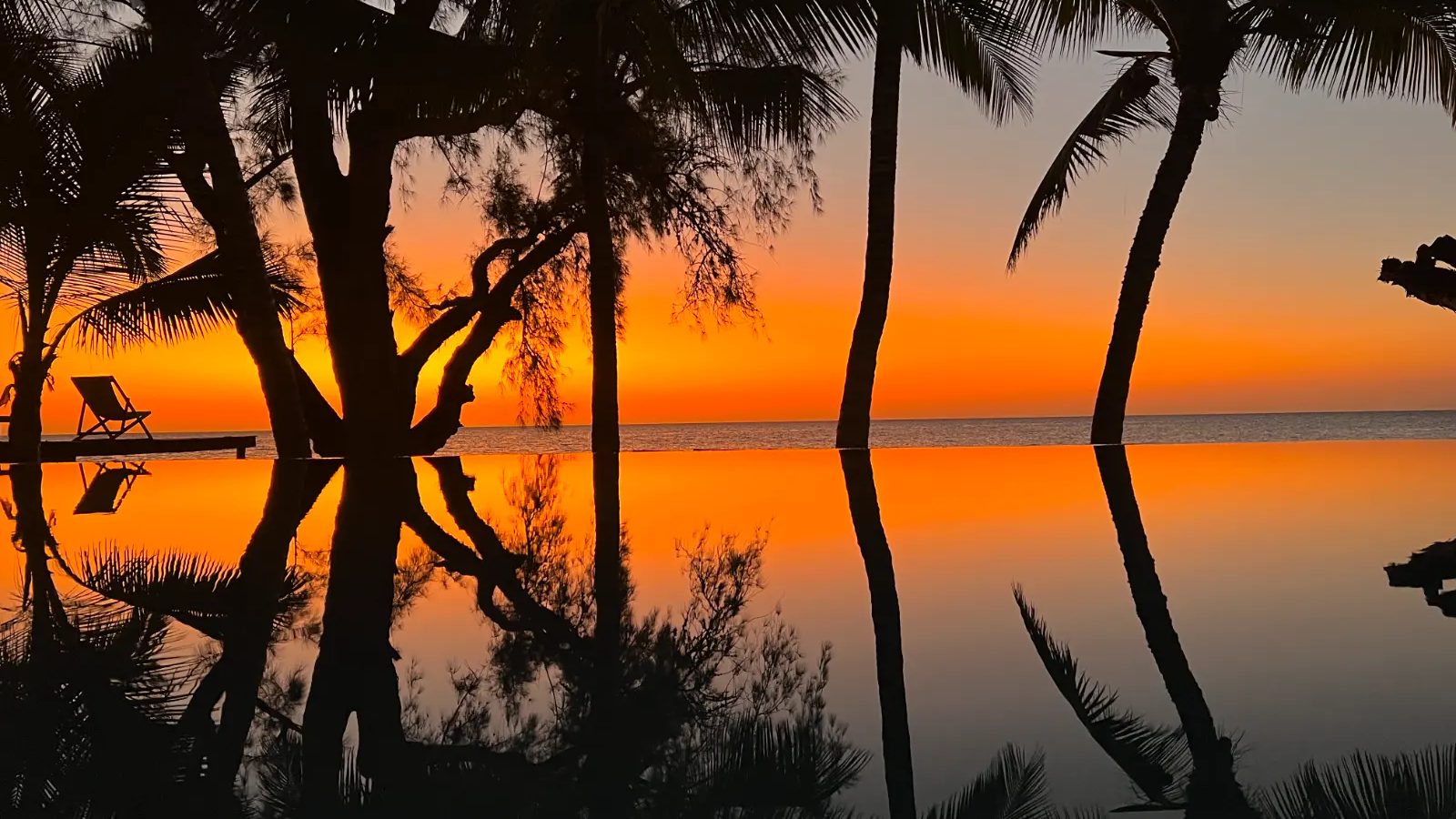
I’ve lost count of the alarms I have set in the dark over the years. Some mornings end in grey drizzle and a trip back to bed, and others give you the kind of light that makes you completely forget how cold and tired you are. The spots that work best for me always have a clear view to the east and something interesting in the foreground, and it really helps if you can get there before everyone else does.
These ten places tick those boxes, and I’ve added practical notes on when to arrive, what to book and where to stand. I have photographed some of them myself, and the others are on pretty much every landscape photographer’s list for good reason.
What makes a sunrise spot worth getting up for?
Sunrise is usually quieter than sunset and the air is often clearer, and you’re more likely to find still water, which means reflections. Mist and low cloud also tend to sit in the valleys first thing, which is why mountain and jungle sunrises can be so atmospheric. The downside is the early start, and you need to know exactly where you’re going in the dark.
The best sunrise spots in Asia
1. Angkor Wat, Cambodia
This is the one most people picture. The sun comes up behind the five towers and silhouettes them against a sky that goes from deep blue to orange, with the reflecting pools in front. When I was at Angkor nearly everyone gathered at the left-hand pool, while the right-hand pool gave a very similar view with a fraction of the people. Buy your temple pass the day before, get there by about 5am in the dry season (roughly November to March) and head inside the temple as soon as the sun is up, as that’s when everyone else goes for breakfast. My Cambodia gallery shows what that early light does to the stone.
2. Mount Bromo, Indonesia
Go for the view from the Penanjakan viewpoints above the Tengger caldera, looking down over the smoking cone of Bromo with Semeru behind it. Most people stay in Cemoro Lawang and take a jeep up at around 3.30am. You’ll need a national park ticket, and always check the latest volcanic activity alerts before you go, as access can be restricted. The dry season, roughly May to October, gives you the best chance of a clear morning.
3. Taj Mahal, India
At sunrise the white marble turns a soft pink and gold, and getting in early is also your best chance of seeing it without huge crowds. The gates open shortly before sunrise so be in the queue early. The Taj is closed on Fridays, and thick fog is common in December and January. For a quieter angle go for the Mehtab Bagh gardens across the Yamuna river, and check the current opening hours before you plan anything.
4. Halong Bay (or Lan Ha Bay), Vietnam
The only way to see sunrise among the limestone karsts is to sleep out on the water, so you’ll need to book an overnight cruise. Get up on deck before first light while the bay is still calm and the boats are quiet. Lan Ha Bay next door is a good, quieter alternative to the busiest routes, and I think misty mornings here can be even more atmospheric than clear ones.
The best sunrise spots in Europe and the Middle East
5. The Dolomites, Italy
Alpenglow on the Dolomites is really something special, as the pale limestone slowly lights up pink and then gold. The Alpe di Siusi, with the Sassolungo glowing above the meadows, is one of the easiest sunrise spots to get to, as you can drive up before the daytime road restrictions start (check the current rules). Seceda is amazing but the lifts don’t run early, so you’ll need to stay in a mountain hut or be ready for a pre-dawn hike. For the Tre Cime, the toll road to Rifugio Auronzo now needs an online booking in season. When I was in the Dolomites I found that staying up high made such a difference, as I could actually enjoy the mornings rather than rushing. Have a look at my Dolomites gallery to see the results.
6. Cappadocia, Turkey
The hot-air balloons launch around dawn, so here sunrise is the whole show. You don’t need to fly to enjoy it either. Head for the viewpoints on the ridges above Göreme or a hotel rooftop terrace and you’ll have balloons drifting all around you. Flights are cancelled in high wind, so it’s worth allowing two or three mornings just in case.
7. Wadi Rum, Jordan
If you sleep in a desert camp, sunrise is just a short scramble up the nearest dune or rocky outcrop. The red sand and rock glow a deep orange in the first light and it’s completely silent out there. Ask your Bedouin host where the best spot is, as they’ll know. I wrote more about the desert in my Petra to the Pyramids journal.
The best sunrise spots in the Americas and Australia
8. Haleakalā, Hawaii
Watching the sun come up over a sea of cloud from the top of a 3,000-metre volcano is an incredible sight. You’ll need a sunrise vehicle reservation from recreation.gov, which is released around 60 days ahead, as well as the park entrance fee. It’s close to freezing at the top so bring proper warm layers, and get there at least 45 minutes before sunrise to find a good spot.
9. Machu Picchu, Peru
Sunrise here is less about the sun itself, which comes up behind the mountains a little later, and more about watching the mist lift off the citadel. Tickets are timed and limited, so book the earliest entry and the right circuit well ahead. Stay in Aguas Calientes and queue early for the first buses up. The dry season, roughly May to September, gives you the clearest mornings. When I was in Peru it took a bit of patience waiting for the cloud to clear, but it was so worth it when it did.
10. Uluru, Australia
Go for the Talinguru Nyakunytjaku sunrise viewing area, which gives you both Uluru and Kata Tjuta in the same view. The park gates open before sunrise, with times changing through the year, and you’ll need a park pass. Watch the rock change from dark purple to deep red, and hang around after the crowds leave for the best light on its surface. Please respect Anangu wishes and cultural sites while you’re there.
How do you plan a sunrise shoot?
The night before, I check the sunrise time and the direction the sun will come up, and then look at the cloud forecast. Apps like PhotoPills or The Photographer’s Ephemeris show you exactly where the sun will appear on a map relative to your subject, which is really useful as the sun rises in quite a different place in June than it does in December. At some spots that can be the difference between everything lining up nicely and the sun hiding behind a mountain.
When it comes to cloud, a little high cloud is often best as it catches the colour, whereas a thick bank of low cloud on the eastern horizon usually means a grey morning.
What time should you arrive for sunrise?
I aim to be set up at least 45 minutes before the official sunrise time. That way you get blue hour, the deep, even light before the sun appears, which is often the most beautiful part of the morning, and the strongest colour in the sky quite often comes 10 to 20 minutes before sunrise itself. I go into more detail in my guide to golden hour and blue hour photography.
What to bring for a sunrise
- A headtorch, ideally with a red light mode so you do not dazzle others.
- Warm layers, a hat and gloves. Pre-dawn is the coldest part of the day.
- Your permits, tickets and reservation confirmations, offline.
- A tripod for the low light of blue hour.
- A flask of something hot and a snack.
- Spare batteries, which drain faster in the cold.
If you’d like my exact sunrise locations and timings, and how I get to them in the dark, they are all in Base Camp.
Frequently asked questions
Where is the best place in the world to watch the sunrise?
There isn’t one single best place, but Angkor Wat in Cambodia, Haleakalā in Hawaii, Mount Bromo in Indonesia and the Dolomites in Italy are regularly ranked among the finest. Each has a clear view east and a dramatic foreground. The right choice really depends on the season, as clear skies and dry weather make far more difference than the location itself.
How early should you arrive to watch the sunrise?
Arrive at least 45 minutes before the official sunrise time. This gives you time to find a good spot, set up in the dark and watch blue hour, when the sky often shows its richest colour. At busy places such as Angkor Wat or Haleakalā, getting there even earlier helps you secure a clear view before the crowds build up.
Do you need a reservation for sunrise at Haleakalā?
Yes. Vehicles entering Haleakalā National Park for sunrise need a reservation, which you book through recreation.gov. Reservations are released around 60 days in advance and sell out quickly, and the park entrance fee is charged separately. The rules can change, so always check the National Park Service website for the latest system before your trip.
Is Angkor Wat sunrise worth it?
Yes, although it does get busy. The towers silhouetted against the dawn sky and reflected in the pools are a classic sight. Get there by about 5am, think about standing at the less popular right-hand pool, and head into the temple as soon as the sun is up. The dry season, roughly November to March, gives you the best chance of clear skies.
What app shows where the sun will rise?
Apps such as PhotoPills, The Photographer’s Ephemeris and Sun Surveyor show you the exact sunrise time and the direction, or azimuth, where the sun will appear on a map. This lets you plan where to stand so the sun lines up with your subject. Pair it with a cloud forecast to judge whether the morning is worth the early alarm.