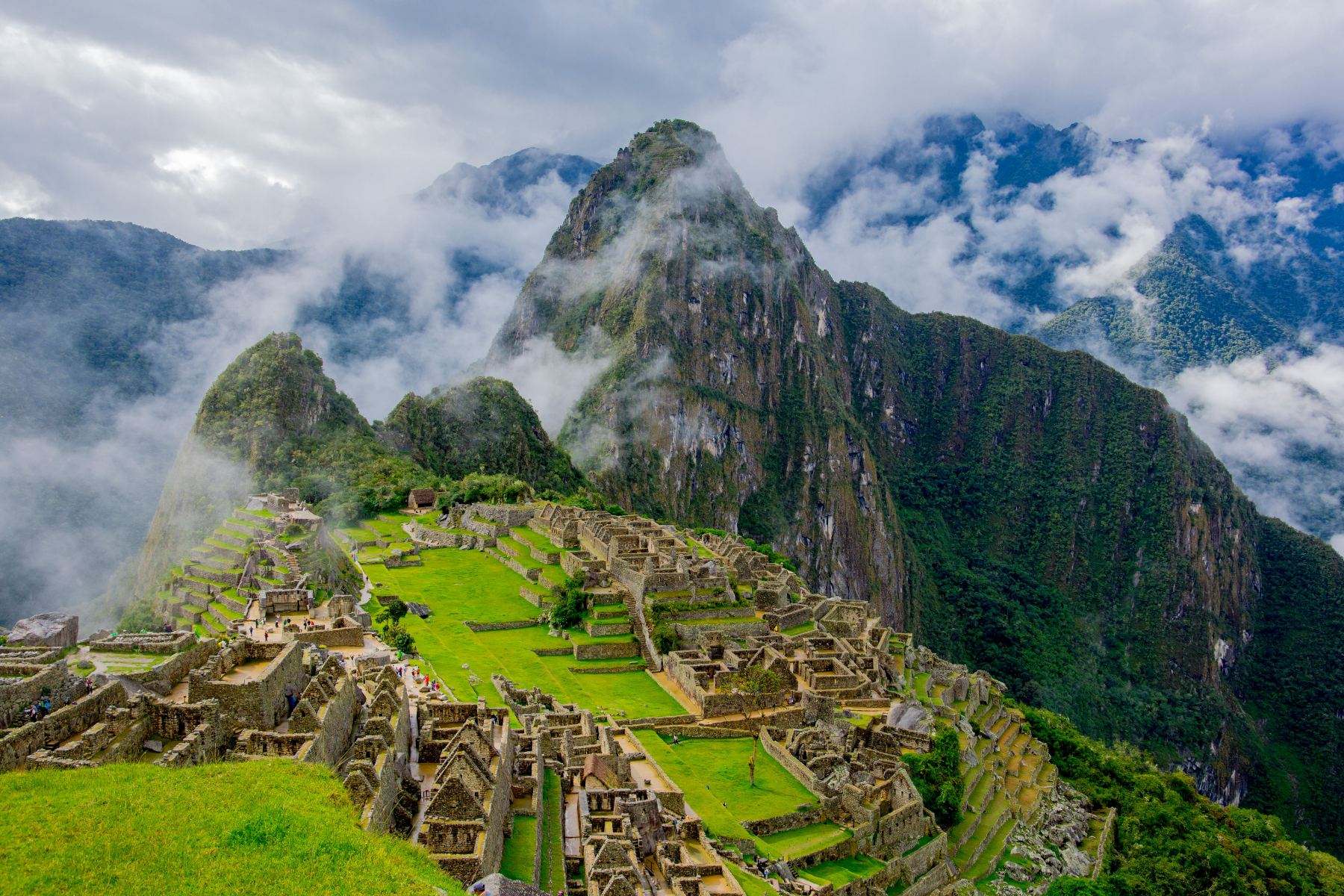
The New Seven Wonders of the World were chosen by public vote in 2007: the Great Wall of China, Petra in Jordan, the Colosseum in Rome, Chichén Itzá in Mexico, Machu Picchu in Peru, Christ the Redeemer in Brazil, and the Taj Mahal in India. Visiting all seven is one of travel’s great long games. The trick is to stop treating them as one trip and start clustering them by region.
Cluster them, don’t chase them
Two of the seven, the Colosseum and Petra, sit within easy reach of each other on a Europe-and-Middle-East loop. Machu Picchu and Christ the Redeemer pair naturally on a South America trip. The Great Wall and the Taj Mahal are each worth a dedicated Asia journey. Chichén Itzá slots into any Mexico or wider Central America route. Think in four trips, not seven.
The one most people add
Angkor Wat in Cambodia is often called the “eighth wonder”, and once you’ve stood in front of it at sunrise you’ll understand why. If you’re routing through Southeast Asia, build it in. It rivals anything on the official list.
Time it right
Each wonder has a season. Petra and the Colosseum are best in spring or autumn, when the heat and crowds ease. Machu Picchu shines in the dry season from May to September. The Taj Mahal is most comfortable November to February. Get the timing wrong and you’ll remember the queue more than the wonder.
Don’t forget the original
Of the seven wonders of the ancient world, only one still stands: the Great Pyramid of Giza. It’s not on the modern list, but no bucket-list route is complete without it, and it’s the oldest thing you will ever stand next to.