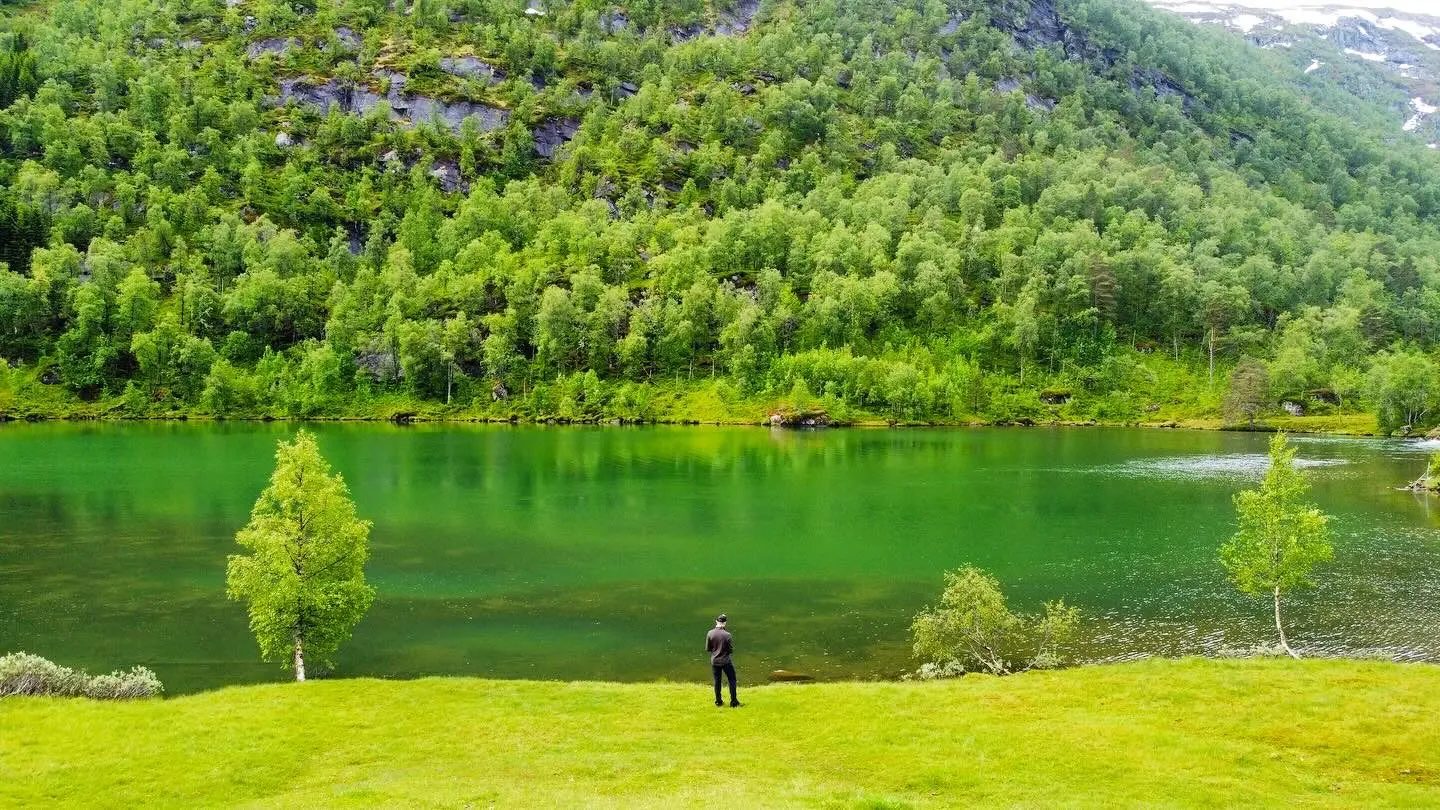
I have struggled with anxiety over the years, and for a long time travelling on my own just wasn’t something I could get my head around. I tried a few times and backed out before I got anywhere, which was frustrating. Then some years ago I finally booked a solo trip around rural China, and it turned out to be the best thing I ever did, as it gave me the confidence to travel alone and I haven’t looked back since.
So if the thought of going on your own makes you nervous, I really do understand, and these are the solo travel tips I wish someone had given me before that first trip.
Why travel solo?
For me it’s mostly the freedom. You get up when you want and change the plan on a whim without talking anyone round, and if the light looks good at 5am nobody groans when the alarm goes off.
You also meet far more people, as couples and groups tend to stick together while someone on their own gets chatted to and invited along. The bigger thing for me was confidence, as every little problem you sort out yourself, like a missed bus or a menu you can’t read, adds up and stays with you long after you get home.
Best places to travel alone for the first time
For a first trip I’d look for somewhere safe with easy public transport, and ideally a well-worn backpacker or tour scene so there’s company around when you want it. These are the places I’d suggest.
1. Japan
Crime is low, the trains run to the minute and eating or drinking on your own is completely normal there. With counter-seat ramen bars and business hotels set up for single travellers, it’s one of the easiest places in the world to be by yourself.
2. Portugal
Portugal is compact, friendly and good value compared with much of Western Europe. Lisbon and Porto both have really sociable hostels and free walking tours, and trains and buses will get you to most of the places you’ll want to see.
3. Iceland
It’s very safe, almost everyone speaks English and the scenery does the entertaining. I did the Ring Road by campervan and it gave me a real taste for campervan life, with long empty roads and plenty of time to stop for yet another photo. Group day tours cover the glaciers and ice caves if you’d rather not drive.
4. Thailand
It’s the classic first solo trip for good reason. The backpacker trail is so well established that you’ll meet people on every bus, island and cooking class, and it’s quite forgiving if you get something wrong.
5. Vietnam
Open-bus tickets and sleeper trains run the length of the country, and I found the hostels there really sociable. My Indochina journal covers the route I took through Vietnam, Cambodia and Thailand.
6. Costa Rica
Shuttle buses link the main hubs, the eco-lodges and hostels are full of like-minded people and a guided wildlife walk gives you instant company. My Costa Rica journal shows how easy it is to get around independently.
7. New Zealand
English-speaking, outdoorsy and well set up for independent travellers, with hop-on hop-off bus passes and huts on the Great Walks where you’ll probably end up sharing a fire with strangers most nights.
8. Scotland
If you’re UK based it’s a gentle first step, with no language barrier and only about 1.5hrs from Gatwick to Glasgow. The North Coast 500 makes a fantastic solo road trip, and I’d go clockwise to get more time on the scenic West Coast.
How do I plan my first solo trip?
It’s really the same as planning any trip, just with a few extra safety nets. I’d keep the first one simple too, with fewer bases and longer stays in each.
- Arrive in daylight. Finding your accommodation in a strange city after dark is the most stressful bit of travelling alone, so pay a little extra for an earlier flight if you need to.
- Book your first nights. Have the first two or three nights sorted before you land, and you can be as spontaneous as you like once you’ve found your feet.
- Share your itinerary. Send your plans and where you’re staying to someone at home, and share your live location with them on travel days.
- Get proper travel insurance. Make sure it covers anything you’re planning to do, like hiking at altitude, diving or riding a scooter, and read the medical cover carefully.
- Keep copies of your documents. I keep photos of my passport, insurance and bank cards saved offline on my phone and in cloud storage as well.
- Sort an eSIM before you fly. Having data as soon as you land means maps, taxi apps and messages work straight away.
If you’re planning to drive, my guide on how to plan a road trip covers pacing your route, which matters even more when you’re the only driver.
Is it safe to travel alone?
In most popular destinations, yes, as long as you use the same common sense you would at home. Most problems solo travellers run into are petty theft and scams rather than anything serious.
- Carry a day’s worth of cash and one card, and keep a backup card somewhere separate.
- Use official taxis or ride-hailing apps and politely say no to lifts from touts.
- Keep an eye on your drink and know your limits, as there’s no friend to get you home.
- Don’t tell people you’re on your own. “My friend’s meeting me later” is a harmless white lie.
- Trust your gut. If a place or a person feels wrong then just leave, and don’t worry about seeming rude.
Solo female travel tips
Women travel solo all over the world every day and most trips go smoothly, but a few extras help. Check the FCDO travel advice for where you’re going, including its guidance for women travellers, and look at how local women dress so you can blend in where that matters.
Pick accommodation with good recent reviews from other solo women, and think about female-only dorms if you’re staying in hostels. Arrive in daylight if you can and book airport transfers ahead for late arrivals, and a door wedge or small travel lock adds a bit of peace of mind. Online groups for solo women travellers are brilliant for up-to-date local advice too.
How do you meet people when travelling alone?
You don’t have to be on your own for the whole trip, and you can decide day by day how much company you want. These are the easiest ways I’ve found to meet people.
- Free walking tours on your first morning in a new city. Half the group are usually on their own, and it’s very natural to grab lunch together afterwards.
- Group day trips to national parks, islands or ruins. A shared minibus is a really easy place to get chatting.
- Private rooms in hostels. You get your own space and a proper night’s sleep, with the common room and bar downstairs.
- Apps such as Hostelworld’s chat feature, Couchsurfing hangouts or Meetup for local events.
- Cooking classes, dive courses and multi-day treks, where you spend hours with the same people and get to know them quickly.
Is solo travel more expensive?
It often is a little, because there’s nobody to split rooms, taxis or car hire with. The biggest sting is the single supplement, which is the extra that tours, cruises and hotels charge when one person takes a room priced for two.
You can get round most of it though. Some tour operators run room-share schemes that pair you with another solo traveller of the same sex, and others waive the supplement on certain departures. Hostels, guesthouses and small B&Bs usually price single rooms fairly, and apartment rentals are good value in cheaper countries. Shoulder season helps as well, as some operators drop supplements to fill spaces. Policies change all the time, so always check current prices.
Eating alone and dealing with loneliness
Eating on your own is the thing most people dread, and it’s the thing they get used to fastest. Sit at the bar or counter, where chatting to staff and neighbours is normal, take a book for company, and make lunch your main meal out as it’s more relaxed and often cheaper.
Loneliness does creep in now and then, often a few days in or on a rainy evening, and it’s completely normal. As someone who has struggled with anxiety, I’ve found it helps to plan something social for those moments, like a group tour or a lively hostel, or just call home or go and sit in the busiest café in town.
How to take photos of yourself when travelling alone
The downside of travelling alone is coming home with hundreds of landscapes and hardly any of you in them. This is how I get round it, and there are plenty more ideas in my guide on how to take better travel photos.
- A small travel tripod with a phone clamp. A mini tripod that doubles as a selfie stick is one of the most useful things I carry.
- The self-timer set to 10 seconds, or burst mode so you’ve got a few expressions to choose from.
- A Bluetooth phone remote, or your watch if it can control the camera, so you can shoot from further away without running back and forth.
- Ask other travellers. Find someone with a decent camera, frame the shot and show them exactly what you want, then offer to return the favour.
- A drone with follow or orbit modes is great for showing scale in big landscapes. Drone rules vary a lot from country to country, so always check the latest rules before you go.
Solo travel packing checklist
Pack as light as you can, as you’ll be carrying everything yourself up stairs and onto buses with nobody to keep an eye on your bag.
- Passport, plus digital and paper copies of key documents
- Two bank cards kept separately, and a little local cash
- Travel insurance details and emergency numbers
- Phone with eSIM, offline maps and a power bank
- Universal adaptor and short charging cables
- Mini tripod and Bluetooth remote
- Padlock for hostel lockers, plus a door wedge
- Small first-aid kit and any prescription medicines in their original packaging
- Earplugs and an eye mask
- Quick-dry towel and a lightweight rain jacket
- A book or e-reader for solo dinners
So book the flight, sort the first few nights and go, as I really wish I’d done it sooner! If you’d like a head start, Base Camp has my full itineraries and routes.
Frequently asked questions
Where is the best place to travel alone for the first time?
Japan, Portugal, Iceland and Thailand are some of the easiest first solo destinations. They’re safe, public transport is simple and there are plenty of other independent travellers around, so company is easy to find. If you’re UK based and want a gentle start, Scotland or Portugal keep the flights short and the language barrier low or non-existent.
Is it weird to travel alone?
Not at all. Solo travel is really common, and you’ll meet other people travelling on their own in hostels, on walking tours and on group day trips almost everywhere. Staff in hotels and restaurants see solo guests every day. Most people who try it once enjoy the freedom so much that they end up doing it again.
How do I avoid the single supplement?
Look for tour operators with room-share schemes or supplement-free departures, and stay in hostels, guesthouses or B&Bs that price single rooms fairly. Travelling in shoulder season can help too, as some companies waive supplements to fill spaces. Supplement policies vary a lot between operators and change often, so always compare the total price and check current prices.
What are the best solo female travel tips?
Check official travel advice before you go, such as the FCDO’s guidance for women travellers. Book well-reviewed accommodation, consider female-only dorms, arrive in daylight and pre-book late-night transfers. Dress in line with local norms where that matters, share your itinerary with someone at home, and trust your instincts, leaving any situation that feels wrong.
How do you not get lonely when travelling alone?
Build a few social things into your plans, such as walking tours, cooking classes, group day trips and sociable hostels. Sit at the bar or counter when eating out, and stay in touch with friends at home. Loneliness usually comes in short waves, often a few days in, and passes quickly once you’re doing something with other people.