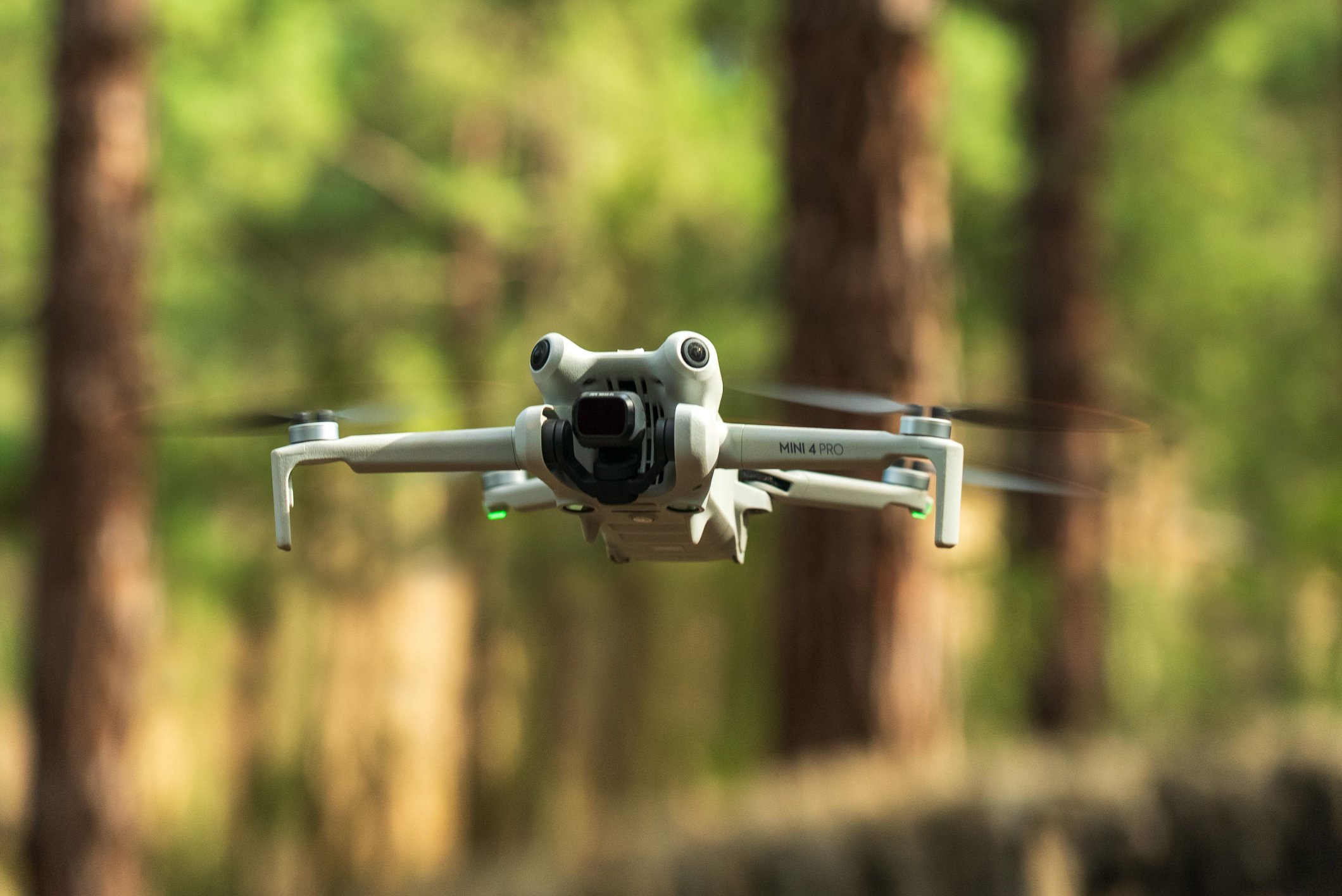
The top-down beach shot, the tiny figure on an endless dune, the sweeping coastal reveal, these are the images that stop the scroll, and almost all of them are shot from the air. A drone is the single biggest upgrade you can make to a travel portfolio. Here’s how to get results that don’t look like everyone else’s.
Know the rules before you fly
Every country is different, and getting this wrong can cost you your drone or worse. Many places require registration, ban flights in national parks, or forbid flying near airports, crowds and heritage sites. Check the local rules before you travel, register where required, and always respect no-fly zones. A great shot is never worth breaking the law.
Shoot at the edges of the day
The light rules that apply on the ground apply doubly from above. The hour after sunrise and before sunset gives you long shadows, texture and warmth. Midday sun flattens everything, though it’s the exception for one thing: shooting straight down into clear water, where high sun punches through to the reef and sand.
Get the settings right
Shoot in RAW for editing latitude. Keep ISO as low as conditions allow to avoid noise, and watch your shutter speed, wind buffets the drone, so a faster shutter keeps things sharp. Bracket exposures on high-contrast scenes and blend them later. Turn on the gridlines and shoot a touch wider than you think; you can always crop.
Compose from above
Height flattens the world into shape, colour and pattern, so hunt for those. Look for lead-in lines (a road, a river, a wake), strong colour contrast (turquoise against sand), and a single small subject for scale, a boat, a car, a person. The best aerials are often the simplest.
Fly respectfully
Keep your distance from people and wildlife, don’t hover over strangers, and be mindful of noise in quiet places. The photographers who keep getting access are the ones who fly considerately.