A great multi-day trek is travel distilled to its purest form: no cars, no wifi, just you, a pack and a trail that unspools into wild country. These are the walks worth building a trip around, and the honest truth about getting yourself ready for them.
1. The Tour du Mont Blanc, Alps
The classic. Around 170km through France, Italy and Switzerland, circling the Mont Blanc massif with a comfortable hut or refuge each night. Achievable for any fit hiker, and endlessly beautiful.
2. The Torres del Paine “W”, Patagonia
Granite towers, hanging glaciers and turquoise lakes packed into four or five unforgettable days. The weather is famously wild, come prepared for four seasons in an afternoon.
3. The Everest Base Camp Trek, Nepal
Less a climb than a high-altitude pilgrimage through Sherpa country to the foot of the highest mountain on Earth. Acclimatisation, not fitness, is what makes or breaks it.
4. The Laugavegur Trail, Iceland
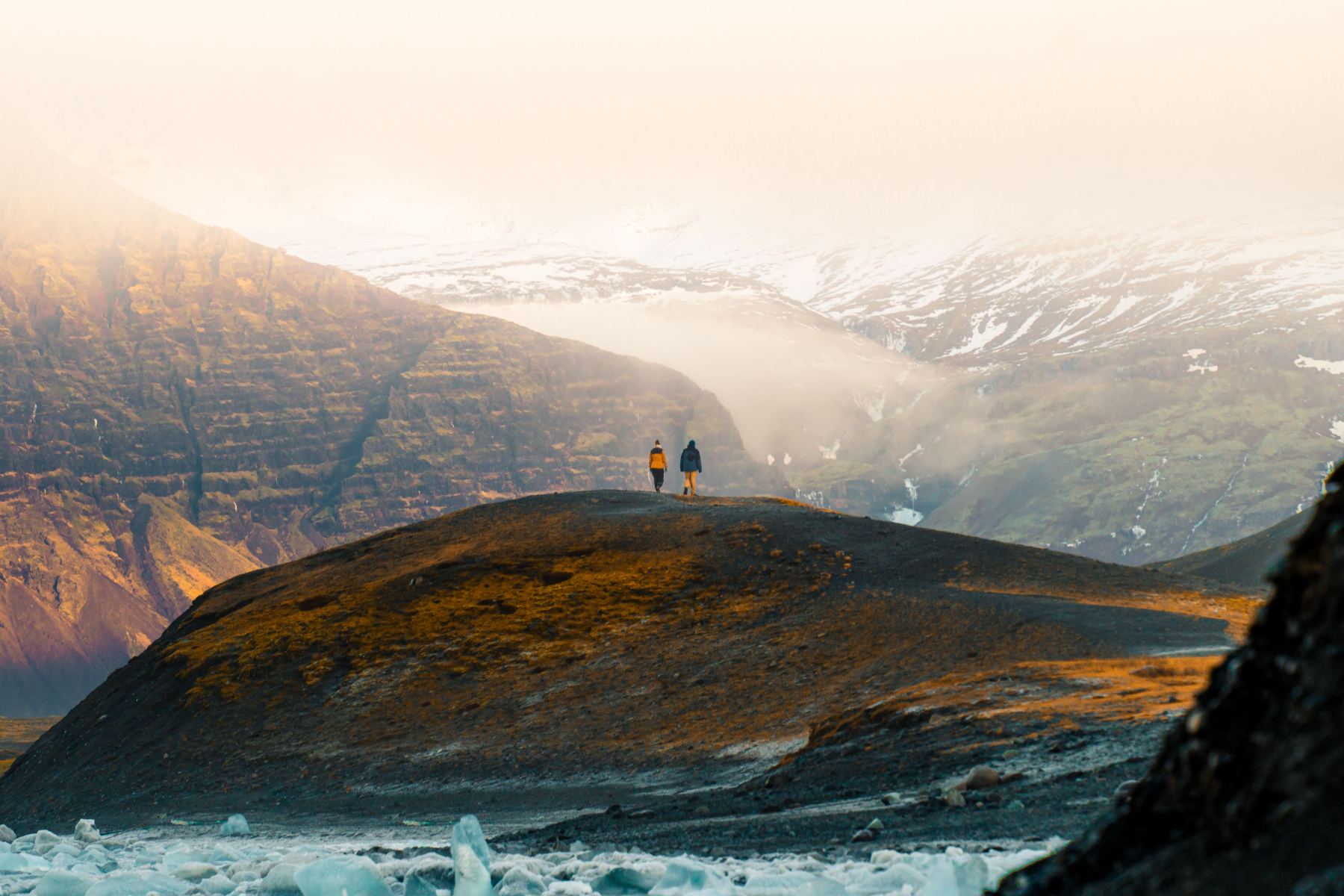
Rhyolite mountains, steaming vents and black-sand deserts across roughly 55km of otherworldly terrain. Short enough for a long weekend, strange enough to never forget.
5. The Kumano Kodo, Japan
An ancient pilgrimage route through forested mountains, linking shrines and hot-spring villages. Gentle, cultural and deeply restorative.
6. The Overland Track, Tasmania
65km through the heart of Australia’s alpine wilderness, all button grass, glacial lakes and wombats at dusk.
How to prepare
Train with a loaded pack on real hills, not just a treadmill, your body needs to learn the weight. Break your boots in over weeks, never days. Dial in your layering system so you can regulate temperature on the move, and practise with your exact gear before you fly. Above all, build in contingency days: weather, altitude and blisters all bend the plan, and the trekkers who finish are the ones who planned to be flexible.
Frequently asked questions
What is the best multi-day trek for beginners?
The Tour du Mont Blanc and the Kumano Kodo are both great first treks, as you sleep in huts or guesthouses and can even have your main bag moved on for you each day. You can also walk just a few stages of either rather than the whole route.
How fit do you need to be for a multi-day trek?
You don’t need to be an athlete, but you do need to be comfortable walking for six hours or more, day after day, with a pack on. The best training is simply getting out on real hills at weekends, carrying the weight you’ll actually take.
How do you avoid altitude sickness on a trek?
Go up slowly, take the rest days built into good itineraries, drink plenty of water and listen to your body. If symptoms like a bad headache or sickness get worse, the answer is always to go back down. It’s worth speaking to your doctor before any high altitude trip.
What should I pack for a multi-day trek?
Boots you have already broken in, a proper waterproof, warm layers, a blister kit, a head torch and a way to treat water. Pack as light as you possibly can, as every extra item feels twice as heavy by day three, and try everything out on a practice walk first.
Do I need a guide for a multi-day trek?
Not on well marked routes like the Tour du Mont Blanc, but some treks and countries now require a licensed guide, so check the current rules for your route. On high altitude or remote treks a good local guide is worth every penny anyway.