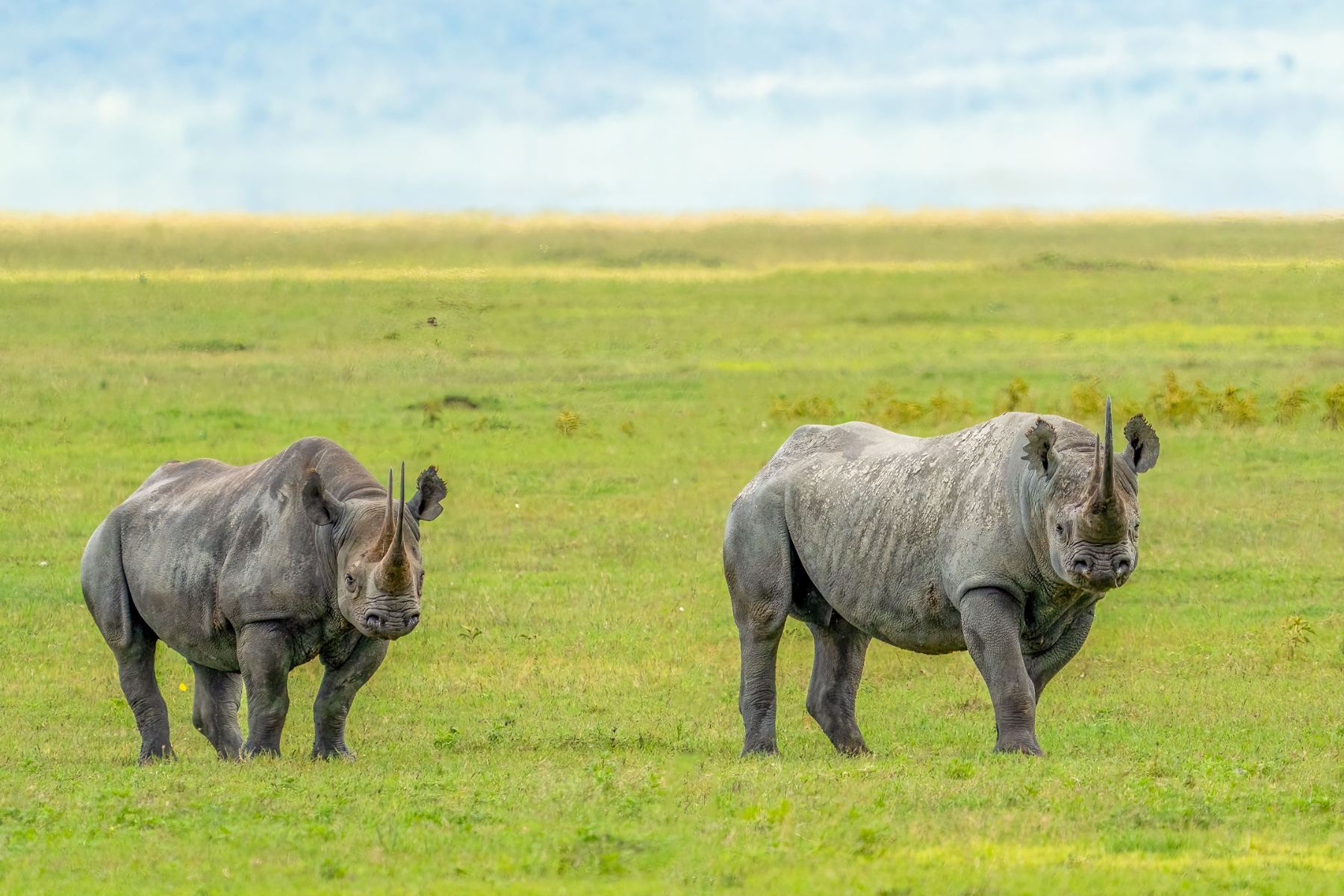
A safari is one of the last places on Earth where you can watch the natural world play out entirely on its own terms. Photographing it well is a craft, and doing it ethically is a responsibility. Here is how to come home with images you’re proud of, taken in a way the animals would never notice.
The gear that actually matters
Reach beats everything: a long lens (400mm or more, or a superzoom bridge camera) lets you fill the frame from a respectful distance. Bring a beanbag for the vehicle door rather than a tripod, and pack twice the memory cards and batteries you think you’ll need, the best light comes at dawn and dusk when you can’t recharge.
Shoot at eye level, in the golden hours
The most powerful wildlife images are taken at the animal’s eye level, it pulls the viewer into their world. Work the first and last two hours of daylight when the light is warm and low and the animals are most active. Midday is for coffee and backing up your cards.
The ethical code
Never ask a guide to break park rules for a shot, no going off-road into fragile habitat, no crowding a kill, no getting between a mother and her young. Keep noise down, never bait or lure wildlife, and if an animal shows stress, back off. Good guides respect these limits, choose operators who do too.
Fieldcraft over luck
Learn a little animal behaviour and you’ll anticipate the moment instead of chasing it: a cheetah scanning from a termite mound, elephants heading to water at dusk, birds returning to a roost. Patience is the real telephoto lens, sit with a scene and let it come to you.
Tell the wider story
Portraits are only half of it. Shoot wide to place animals in their landscape, capture the dust, the herds, the vast emptiness. Those context shots are often the ones that stay with people long after the close-ups fade.
Frequently asked questions
What lens do I need for a safari?
Something that reaches 400mm or more is ideal, as it lets you fill the frame without getting too close. A 100 to 400mm or 150 to 600mm zoom is the classic choice, and a good bridge camera with a long zoom is a great, lighter alternative.
What is the best time of day on safari?
Early morning and late afternoon, without a doubt. The light is warm and soft and the animals are at their most active, while in the middle of the day most of them are resting in the shade, which is a good time for you to rest too.
How close can you get to wild animals on safari?
As close as your guide and the park rules allow, and no closer. A good rule is that if an animal changes what it’s doing because of you, you’re too close. A long lens means you never need to push it for the shot.
Is it ethical to go on safari?
It can be, and done well it helps pay for conservation and supports local communities. Choose operators who limit the number of vehicles at a sighting, stick to the tracks and treat their guides well, and avoid anywhere that lets you handle or walk with captive animals.
What should I wear on safari?
Neutral colours like khaki, olive and beige, and layers, as early mornings in an open vehicle can be surprisingly cold. Avoid bright colours, and in some areas dark blue and black too, as they can attract tsetse flies. A hat and sunglasses are a must.