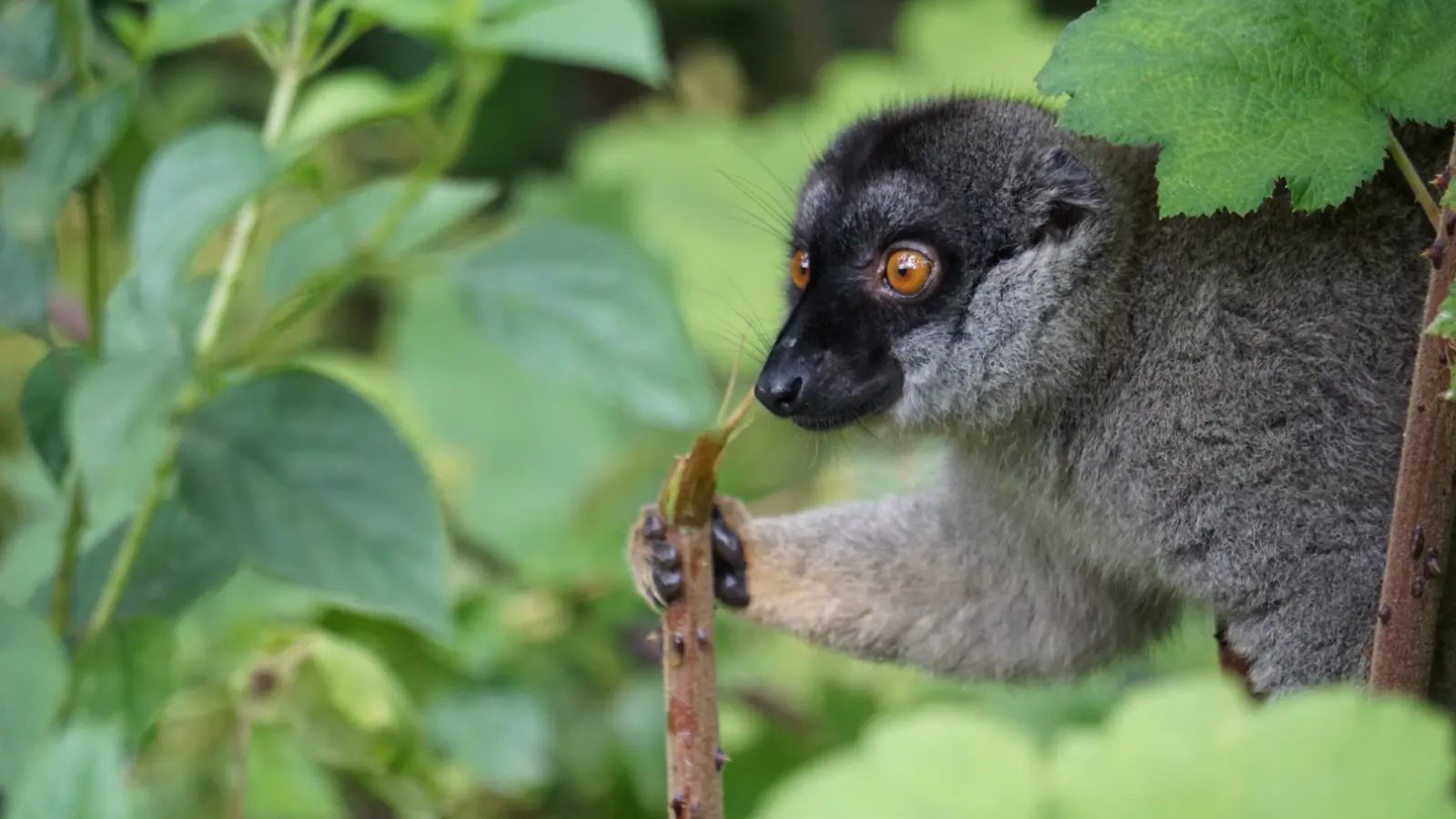
Growing up in the Sussex countryside, being outdoors has always been a big part of my life, so it’s no surprise some of my favourite trips have been about the animals. A good wildlife holiday really comes down to being in the right place at the right time of year, with someone local who knows where the animals are.
This is my shortlist of the best places in the world to see wildlife, with the main species and the months that give you the best chance. A couple I know first-hand and the rest come from years of planning, reading and chatting to guides. The timings are approximate, as animals don’t read calendars, so always check with a local operator before you book.
What makes a great wildlife destination?
For me it’s mostly about density, as you don’t want to drive all day for one distant sighting. Good access matters too, with parks, guides and lodges that get you close without disturbing anything, and it really helps if there’s something you can’t see anywhere else, which is why Madagascar and the Galápagos punch so far above their size.
The season is just as important as the place. The same park can be amazing in the dry months and really frustrating in the wet, when animals spread out and roads wash away.
The best places in the world to see wildlife
1. Madagascar for lemurs you won’t find anywhere else
Lemurs live wild almost nowhere else on earth, and the island has around half the world’s chameleon species too. Andasibe is the place for the indri, the largest living lemur, whose eerie morning calls carry across the forest. Ranomafana has golden bamboo lemurs and brilliant night walks for mouse lemurs and leaf-tailed geckos, and in the dry west Kirindy is your best chance of a fossa, the island’s top predator.
Go roughly April to November, in the drier months, and October and November are a sweet spot with baby lemurs about and reptiles active. When I was in Madagascar, my best sightings always came from walking slowly behind a local guide who knew exactly which family group lived where.
2. Costa Rica, the easiest wildlife country there is
Sloths, red-eyed tree frogs, toucans, four species of monkey and nesting turtles, all in a country you can cross in a day, with excellent guides and really well run parks. The dry season is roughly December to April, but the green season is well worth a look too as that’s when turtles nest on the Caribbean coast. I’ve written a full Costa Rica wildlife guide, and my Costa Rica journal covers the route I took.
3. Kenya and Tanzania for the Great Migration
Well over a million wildebeest, plus zebra and gazelle, loop between Tanzania’s Serengeti and Kenya’s Masai Mara, with lions, cheetahs and crocodiles following behind. The famous Mara River crossings happen roughly July to October, although they’re unpredictable and you can wait hours for a herd to go. If you’d rather see the calving and the predators that come with it, head to the southern Serengeti roughly January to March.
In the Mara, look at the private conservancies on the edge of the reserve, as they limit vehicles so you’re not sharing a lion with twenty jeeps.
4. Botswana and the Okavango Delta
A river that never reaches the sea, spreading out into a maze of channels and islands in the Kalahari. Oddly, the floodwaters peak in the dry season, roughly June to August, which pushes elephants, lions, leopards and wild dogs together on the islands, and game viewing is best roughly June to October. If you can, glide through the reeds in a mokoro (a dugout canoe), as no vehicle gives you that view.
5. Galápagos Islands, where the animals have no fear
Sea lions sleep on the benches and blue-footed boobies dance a metre from your boots, as the wildlife here just doesn’t see people as a threat. You can go any time of year, with warmer water and calmer seas roughly December to May, and cooler, richer seas and busy seabird colonies June to November. Most visitor sites need a licensed naturalist guide.
6. Borneo for orangutans in the rainforest
In Malaysian Sabah, the Kinabatangan River is the classic place for wild orangutans, proboscis monkeys and pygmy elephants, watched from a small boat at dawn and dusk. Danum Valley is wilder, and on the Indonesian side you explore Tanjung Puting by traditional klotok riverboat. The drier months, roughly March to October, are easiest, but it’s rainforest after all so pack for rain whenever you go.
7. Svalbard for polar bears on the ice
Halfway between Norway and the North Pole, Svalbard is one of the most accessible places to see polar bears in the wild. Most people go on small expedition ships roughly June to August, once the sea ice breaks up, and you’ll also see walrus, Arctic foxes, reindeer and huge seabird cliffs. Bears are never guaranteed, and outside the settlements you have to go with a guide who carries protection, so check the latest rules before you go.
8. Rwanda and Uganda for mountain gorillas
Sitting quietly with a habituated gorilla family is the encounter I hear people talk about most emotionally. Treks run in Rwanda’s Volcanoes National Park and Uganda’s Bwindi Impenetrable Forest. Permits are strictly limited, you get about an hour with the group and there’s a minimum age, so book months ahead and check current prices directly with the park authorities. The drier months, roughly June to September and December to February, make the muddy hikes a lot easier.
9. Sri Lanka for leopards in Yala
Yala National Park has one of the highest leopard densities anywhere, plus elephants, sloth bears and crocodiles. It can get really crowded with jeeps, so pick an operator who won’t chase or block the animals, or try the quieter Wilpattu instead. Yala usually closes for a while around September to October, so the best time is roughly February to July.
10. The Pantanal in Brazil for jaguars on the riverbank
The world’s largest tropical wetland is the most reliable place on earth to see jaguars, often lounging on the banks of the Cuiabá River and its tributaries near Porto Jofre. You watch from small boats, which gives you lovely low angles. Go in the dry season, roughly July to October, when the water drops and the cats hunt along the rivers, and you’ll almost certainly see giant otters, hyacinth macaws, caiman and capybara too.
11. Iceland for puffins on the cliffs
Iceland is home to a huge share of the world’s Atlantic puffins, and from roughly May to mid-August they’re nesting on the sea cliffs. Látrabjarg in the Westfjords, Borgarfjörður eystri in the east and Dyrhólaey on the south coast are all good spots. Go in the evening when the birds come back from fishing, and stay well back from the crumbling edges.
When is the best time for a wildlife holiday?
The good news is there’s a great wildlife trip for pretty much every month of the year, and this is roughly how it breaks down.
- January to March: Serengeti calving, Costa Rica’s dry season and the warm season in the Galápagos.
- April to June: Madagascar’s dry season starts, puffins arrive in Iceland and Yala in Sri Lanka is at its best.
- July to October: Mara River crossings, the Okavango at its peak, jaguars in the Pantanal, Svalbard expedition season (until roughly August) and turtles at Tortuguero.
- October to December: baby lemurs in Madagascar, Borneo before the wettest months and gorilla treks as the short rains ease.
How do I choose an ethical wildlife tour operator?
I’d put this above any camera kit, and a good operator gets you better sightings anyway, as the animals aren’t stressed. Before you book, it’s worth asking a few questions.
- Do the guides keep a set distance, and will they move on if an animal looks stressed?
- Is there a limit on vehicles or boats at each sighting?
- Are the guides local, and does the money reach the community and conservation work?
- Do they avoid baiting, calling or feeding animals just to get you a photo?
- Are they upfront that sightings aren’t guaranteed?
Walk away from anything that lets you hold, ride, bathe or pose with wild animals, and that includes so-called “sanctuaries” offering cub petting or sloth cuddles. I’ve written more about the photographer’s side of this in how to photograph wildlife ethically.
Do you need a guide to see wildlife?
Almost always, and not only because some parks insist on it. A good guide will hear a bird call or pick out a sloth in a tangle of leaves, and in the rainforest especially you’ll only see a fraction of what’s there on your own. Many carry a spotting scope too, which works surprisingly well with your phone held up to it.
What to pack for a wildlife trip
- Binoculars (8x42 is a good all-rounder), which I’d say are more important than a long lens.
- A telephoto zoom in the 100 to 400mm range, or the longest your budget and baggage allowance will stretch to.
- Neutral colours like khaki, olive and browns. Avoid white and bright colours on safari.
- A head torch with a red light setting for night walks.
- A rain cover for the camera and a dry bag for boat trips.
- Spare batteries and memory cards, as you’ll shoot far more than you think.
How to get better wildlife photos
Get down low to the animal’s eye level and focus on the eye, and try to shoot in the first and last couple of hours of the day when animals are active and the light is soft. I like to leave room in the frame for movement and show some habitat, as a lemur in its forest tells you so much more than a tight crop.
Most of all, be patient and stay with a sighting rather than rushing off. So often the yawn or the leap happens just after everyone else has driven away.
If you’d like the full routes, timings and costs behind trips like these, that’s what Base Camp is for.
Frequently asked questions
What is the best place in the world to see wildlife?
There isn’t one single answer, as it really depends on the animal. For sheer numbers, the Great Migration in Kenya and Tanzania is hard to beat. For wildlife that exists nowhere else, Madagascar and the Galápagos stand out, and for variety in a small, easy country Costa Rica is excellent. Match the destination to the species you most want to see.
When is the best time to see the Great Migration?
The Mara River crossings in Kenya’s Masai Mara happen roughly July to October, although they’re unpredictable and depend on the rains. For calving season, with newborn wildebeest and lots of predator activity, go to Tanzania’s southern Serengeti roughly January to March. The herds are somewhere in the ecosystem all year, so a good operator can get you near them.
Where can you see polar bears in the wild?
Svalbard, the Norwegian archipelago in the high Arctic, is one of the most accessible places, usually on small expedition ships roughly June to August. Churchill in Canada is the other classic, where bears gather on the shores of Hudson Bay in autumn. Sightings are never guaranteed, and in Svalbard you should only go outside the settlements with a properly equipped guide.
How do I know if a wildlife tour is ethical?
Look for operators that keep a respectful distance, limit vehicles at sightings, use local guides and support conservation. Avoid anything that lets you touch, hold, ride or feed wild animals, or that uses bait to guarantee a sighting. A good operator will be upfront that sightings aren’t guaranteed, and reviews that mention crowding or chasing animals are a red flag.
Do you need a permit to see gorillas?
Yes. Mountain gorilla trekking in Rwanda and Uganda needs a permit, and numbers are strictly limited to protect the gorillas, so they can sell out months ahead. You get roughly an hour with a habituated family and there’s a minimum age. Book through the park authorities or a reputable operator, and check the current prices and rules first.