Albania has been sitting near the top of my own list for a while now, and the more I read about it the more it sounds like exactly the kind of place I love. You’ve got proper mountains in the north, UNESCO-listed Ottoman towns in the middle and a coastline in the south that looks a lot like the Greek islands across the water, all in a country not much bigger than Wales.
It’s also still a lot less crowded and a lot better value than its neighbours, which is why it keeps turning up on lists of underrated travel destinations. This guide pulls together what I’d want to know before going, from a realistic 10 to 14 day route to getting around, the best beaches and whether it’s safe.
Is Albania worth visiting?
Yes, and especially if you like a trip with a bit of everything. Very few places in Europe let you swim in clear turquoise water one week and hike a high mountain pass the next without a long journey in between, and Albania does both really well.
The highlights most people build a trip around are the Albanian Riviera, the old towns of Berat and Gjirokastër (listed together by UNESCO for their Ottoman-era architecture), the ancient city of Butrint, the Blue Eye spring near Sarandë and the Albanian Alps around Theth and Valbona. Tourism has grown fast in the last few years, so the famous spots are busier than they were, but it still feels refreshingly unpolished compared with a lot of the Mediterranean.
The best places to visit in Albania
Berat and Gjirokastër
Berat is known as the town of a thousand windows, with white Ottoman houses stacked up the hillside above the river and a castle quarter on top where people still live. Gjirokastër, further south, is built in grey stone with slate roofs and a huge hilltop castle. Both are lovely to wander in the early morning and evening, and a night in each is ideal.
Butrint and the Blue Eye
Butrint, near the Greek border, is a UNESCO site with Greek, Roman and Venetian ruins set in woodland beside a lagoon, and it’s much more atmospheric than a lot of ancient sites. The Blue Eye (Syri i Kaltër) is a spring where very deep, very blue water bubbles up into a pool surrounded by trees. Swimming isn’t allowed, and it gets really busy with tour groups in the middle of the day, so go early.
The Albanian Alps and the Theth to Valbona hike
The Accursed Mountains in the far north are the real surprise for most people. The classic day hike links the valleys of Theth and Valbona over a pass of roughly 1,800 metres, usually taking somewhere around six to eight hours. It’s a big day but not technical, and the scenery is absolutely fantastic. The usual hiking season is roughly June to September, as snow can linger on the pass earlier in the year, so check conditions locally before setting off. It’s also one stage of the longer Peaks of the Balkans route, which I’ve mentioned in my guide to the world’s greatest multi-day treks.
What are the best beaches in Albania?
The Albanian Riviera runs south from the Llogara Pass towards Sarandë, and the road over the pass gives you an amazing first view of the coast. These are the beaches that come up again and again.
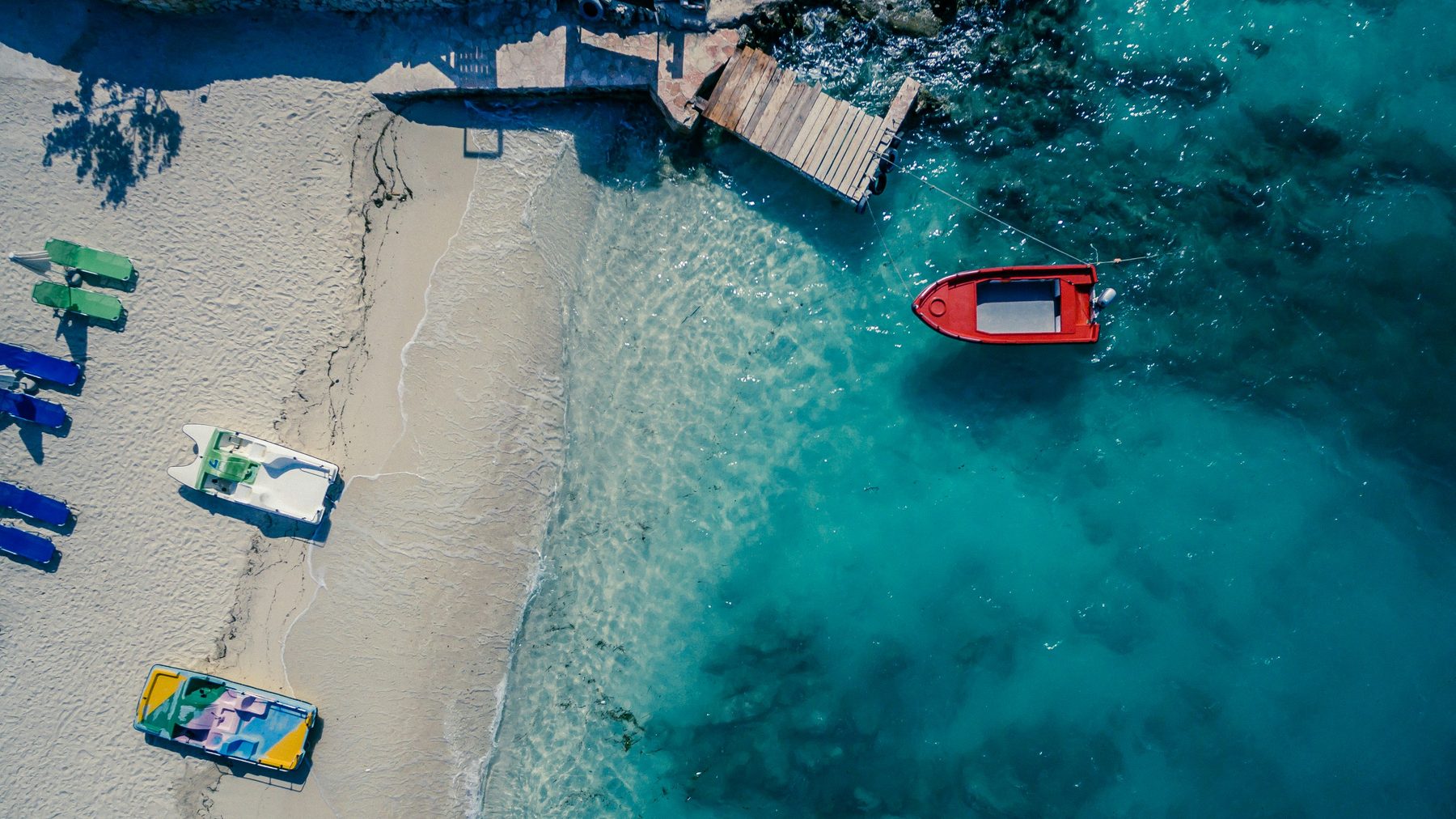
- Ksamil, the most famous, with white pebbles, shallow turquoise water and little islands just offshore. Very busy in summer.
- Gjipe, a beach at the mouth of a canyon that you reach on foot or by boat, so it stays quieter.
- Dhërmi and Drymades, long, clear beaches with a more lively feel in high season.
- Jale, a small cove between Dhërmi and Himarë.
- Himarë and Livadhi, a relaxed base with a good choice of places to stay.
- Borsh, one of the longest beaches on the coast and a good place to find some space.
Most beaches are pebble rather than sand, and in July and August many are covered in rows of sunbeds you pay to use. In June or September you’ll find a lot more room, and that’s when I’d go. The water is as clear as anything you’ll find in the Ionian, and if you like the idea of the Greek coast without the crowds, my guide to quiet Greek islands is worth a look too, as Corfu is only a short ferry away.
A 10 to 14 day Albania itinerary
This route works as a loop from Tirana and suits a first trip. With 10 days you’ll need to move quickly, while 14 gives you some beach days and spare time for bad weather in the mountains.
- Days 1 to 2, Tirana and Shkodër. Land in Tirana, spend an afternoon in the capital, then head north to Shkodër.
- Days 3 to 5, the Alps. Take the Komani Lake ferry towards Valbona, hike over to Theth, then return to Shkodër.
- Days 6 to 7, Berat. Drive south via Tirana and stay a night or two in the old town.
- Days 8 to 9, Gjirokastër and the Blue Eye. Explore the castle and old bazaar, then visit the Blue Eye on the way to the coast.
- Days 10 to 11, Ksamil and Butrint. Beach time and an early visit to Butrint.
- Days 12 to 14, the Riviera. Work north through Himarë and Dhërmi, cross the Llogara Pass and drive back to Tirana.
If you’re short on time, drop the Alps and focus on Berat, Gjirokastër and the coast. Or do the Alps and the south as two separate trips, as they’re quite different in feel and you’ll probably want to come back anyway!
Getting to Albania and getting around
Most visitors fly into Tirana International Airport, and there are direct flights from several UK airports. Another option for the south is to fly to Corfu and take the short ferry across to Sarandë, which is handy if you only want the coast.
For getting around, hiring a car gives you by far the most freedom, especially on the coast and for places like the Blue Eye and Butrint. The main roads have improved a lot, but mountain roads can be narrow and twisting, local driving can be assertive and you should expect the odd animal or pothole, so allow more time than the map suggests and avoid driving at night where you can. My tips on how to plan a road trip apply here as much as anywhere.
The alternative is the furgon, the shared minibuses that link most towns. They’re cheap and they work, but timetables are loose and they often leave when full, so they’re better for flexible travellers. For the Theth to Valbona hike, a car is actually awkward because you finish in a different valley from where you started, so a lot of people do the Alps by furgon and ferry and then pick up a hire car in Tirana for the south.
When is the best time to visit Albania?
For a trip that mixes coast and mountains, late May to June and September are the sweet spots. The sea is warm enough for swimming, the towns are pleasant to walk around and the mountain passes should be open.
July and August are hot and the coast gets very busy, especially Ksamil and Dhërmi, with prices rising to match. If that’s when you can go, head to the mountains for part of the trip and plan beach days around early mornings. My guide on how to avoid crowds when travelling has a few more ideas. Winter is quiet and cheap for Tirana and the old towns, but many coastal places close and the Alps are under snow.
Money in Albania: lek, cash and cards
The currency is the Albanian lek. Cards are accepted in many hotels and larger restaurants in Tirana and on the coast, but cash is still king in small towns, family guesthouses, beach bars and furgons, and in the mountains it may be the only option. Euros are often accepted in tourist areas, but usually at a poor rate, so it’s better to take out lek from ATMs in the bigger towns before heading anywhere remote. Albania is still good value compared with most of the Mediterranean, although prices on the coast have been climbing, so check current costs as you plan.
Is Albania safe for tourists?
Generally, yes. Albania is widely regarded as a safe country to visit, and travellers often talk about how friendly and welcoming people are. The usual common sense applies, so keep an eye on your belongings in busy places and be careful on the roads, which are probably the biggest risk for most visitors.
In the mountains, treat the hikes seriously. Weather changes quickly, phone signal can be patchy and help is a long way away, so start early, carry water and layers and let your guesthouse know your plans. Always check the latest UK Foreign Office (FCDO) travel advice for Albania before you book and again before you go.
Do UK citizens need a visa for Albania?
At the time of writing, UK passport holders can visit Albania without a visa for short stays of up to 90 days in a 180-day period. Rules can change, so check the entry requirements on the FCDO website before you travel, and make sure your passport is valid for the length of your stay. Albania isn’t in the EU or Schengen, so days spent there don’t count towards your Schengen allowance.
If you’d like the full day-by-day version with where to stay and route details, that’s the kind of planning I share in Base Camp.
Frequently asked questions
Is Albania worth visiting?
Yes. Albania combines a beautiful Ionian coastline, UNESCO-listed Ottoman towns in Berat and Gjirokastër, ancient Butrint and the dramatic Albanian Alps, all within a small country. It’s generally better value and less crowded than its Mediterranean neighbours, though the most famous beaches get very busy in July and August, so shoulder season is best.
How many days do you need in Albania?
Around 10 to 14 days is ideal for a first trip. That’s enough time for the Theth to Valbona hike in the north, a night each in Berat and Gjirokastër, and several days on the Riviera around Ksamil, Himarë and Dhërmi. With a week, it’s better to focus on either the mountains or the south rather than rushing both.
Is Albania safe for tourists?
Albania is generally considered safe for tourists, and visitors often mention how welcoming people are. Petty theft can happen in busy areas, so use normal precautions. The biggest risks for most travellers are the roads and the mountains, so drive carefully and prepare properly for hikes. Always check the latest FCDO travel advice before you go.
What is the best month to visit Albania?
June and September are usually the best months for most trips. The sea is warm, the mountain trails like Theth to Valbona are normally open, and the coast is far less crowded than in July and August. Late May can also be lovely, though snow may still linger on high passes, so check conditions if you plan to hike.
Do you need cash in Albania?
Yes, it’s wise to carry cash. The local currency is the lek, and while cards are accepted in many hotels and larger restaurants, small guesthouses, beach bars, furgon minibuses and mountain villages often only take cash. Euros are sometimes accepted at tourist spots but usually at a poor rate, so withdraw lek from ATMs in larger towns.